

I’ve brought up the idea of truth being revealed in fiction but I haven’t expanded on the idea very much. There’s the old adage that ‘art imitates life’ or sometimes that ‘life imitates art’. In many ways, both are true. Stories are often reflections of real events and include fictionalized versions of real people the author knows or has met. In this sense, of course there’s an imitation going on.
There’s an added realism and depth to stories that are based on or inspired by real events, assuming the story is still competently executed. We might even say that the fictionalized portrayal can tell us something real about the actual events. But can we go a bit further? What I mean here is to ask whether or not fiction can actually participate in reality rather than merely imitate it. By participate I mean that the story involves more than a simple reflection of real events or real people, but that it speaks directly to the nature of the world as we understand it or as it is.
One step toward this goal, especially within realms of speculative fiction, is internal consistency. The story world need not be subject to all the same laws and limitations of our own world, but it needs to be constrained by consistent internal laws. Strange and weird fiction that emphasize the story’s distinct madness and chaos are of a different sort (think Alice in Wonderland). There is nothing wrong with strange fiction, but the distinction is important.
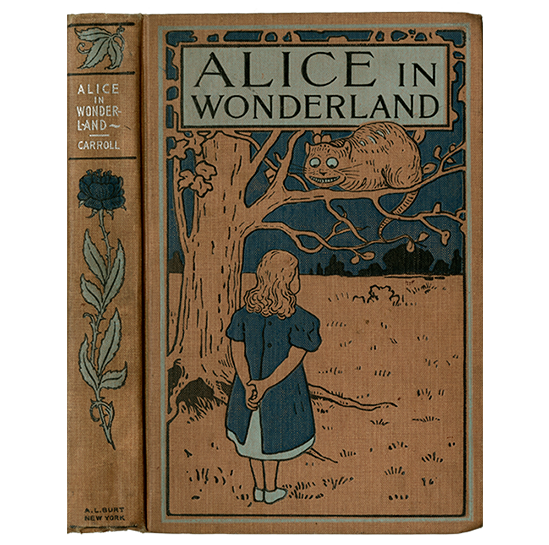
For a story trying to talk about people and particular events in a world, there must be consistency that makes the setting and characters intelligible to readers. I talked about this in my post on world-building. This very practice of ensuring that a story remains internally consistent is a means by which it might participate in reality. In doing so, it speaks to our perception of the world and can therefore explore aspects of the world that we might be uncomfortable with or ignorant of.
The meaning or purpose of a story is also a means by which it participates in reality. A story built around the grief of a character, if done effectively, speaks to the reality of grief as experienced by real people. A film showcasing the failed relationship between a parent and child may speak to the reality experienced by countless people throughout the world. It may even, with a bit of self-awareness and reflection, lead to us having greater empathy toward those in the midst of grief or to work toward repairing failed and failing relationships in our lives.
Art and fiction have the ability to draw us toward such reflection and a greater attunement to those around us and the world we live in. It may even tell us things we do not wish to hear in other mediums. As C.S. Lewis put it in his essay “Sometimes fairy stories may say best what’s to be said,” stories have the ability to “steal past those watchful dragons” we place as guardians over our hearts and minds.
Stories also have the benefit of teaching us the lessons of life without all the boring bits. They are streamlined life. We don’t often see characters in the midst of the mundane, or if we do it is for a limited span of time and not for the bulk of the narrative. It allows us to see more clearly the themes present in the narrative as they are not bogged down by distractions or the small details of life. Our lives have themes much in the same way that stories do, but they are spread more thin and can easily become muddied.
Take a moment to think back on your life, perhaps the past five years in particular. What are the themes or recurring ideas you notice? I think one that has appeared in my life in recent years has been patience, though I have often failed to acknowledge or live up to it. Our lives are dominated by such themes, and stories can help to illumine them if we are willing to reflect. Sometimes the stories that draw us in most are the ones that speak to the themes in our lives, whether good or bad.
There is also a clarity of perspective to be found in stories and art more generally. Because a piece of fiction is so focused in comparison to our ever-changing and complex lives, there is simple wisdom to be found within stories. The outside perspective of a character or narrative can lead one to understand their own ideas, motivations, or shortcomings in ways that internal consideration might not. It is often easier to learn of ourselves from the outside.
We are not self-created beings, rather our identities are mutually-negotiated constructs between ourselves and those around us. We may not like it, but in many cases we are as people perceive us to be. If we are not, then we are not living authentically. The external perspective of a friend or a story can lend wisdom which would otherwise be hard to reach from within the churning madness of our own hearts and minds. Too much self-consideration leads to self-obsession and a loss of all that actually makes us interesting as human beings. If we allow them, stories can steal past the watchful dragons of our self-identity and align our perspectives, even if momentarily, to reality.
I’ve said that fiction of this sort must be internally consistent and participate with reality. In order to explore this further we must delve, rather shallowly, into the field of modal logic. There are two ways in which something may be said to exist, necessarily and possibly. If something possibly exists, then it is reasonable that it may in fact exist not only in our world but in other, possible, worlds. It is, by definition, possible. It is not assured. All things that exist are at the very least possible.
By contrast, those things of a necessary existence must, and in fact do, exist in this world and all possible worlds. A common example of this would be 2+2=4. The numerals themselves and the words we use might vary from world to world, but the fact that two quantities of two makes four is a logical necessity. If it were merely possible that 2+2=4, then we would have no certainty in our ability to comprehend basic ideas about the universe. As such, for a piece of fiction to properly participate with reality it must also be home to those things of a necessary variety.
An author need not list all the things that comprise their literary world conceptually or metaphysically, but we do get a good sense of how the state of a fictional setting lines up with our reality. The depiction of real and necessary things might be done in a more over-the-top fashion in order to call special attention to them, or they may be shrouded. Either way, there is an unspoken language which we intuit.
As with the personal examples used above, this feature of fiction’s truth-telling capability enables it to speak to more fundamental ideas about the world as well. Aspects of the universal human experience such as suffering and joy, or those we understand only as shadows of themselves such as transcendence and beauty, may be made clearer through exploration in art.
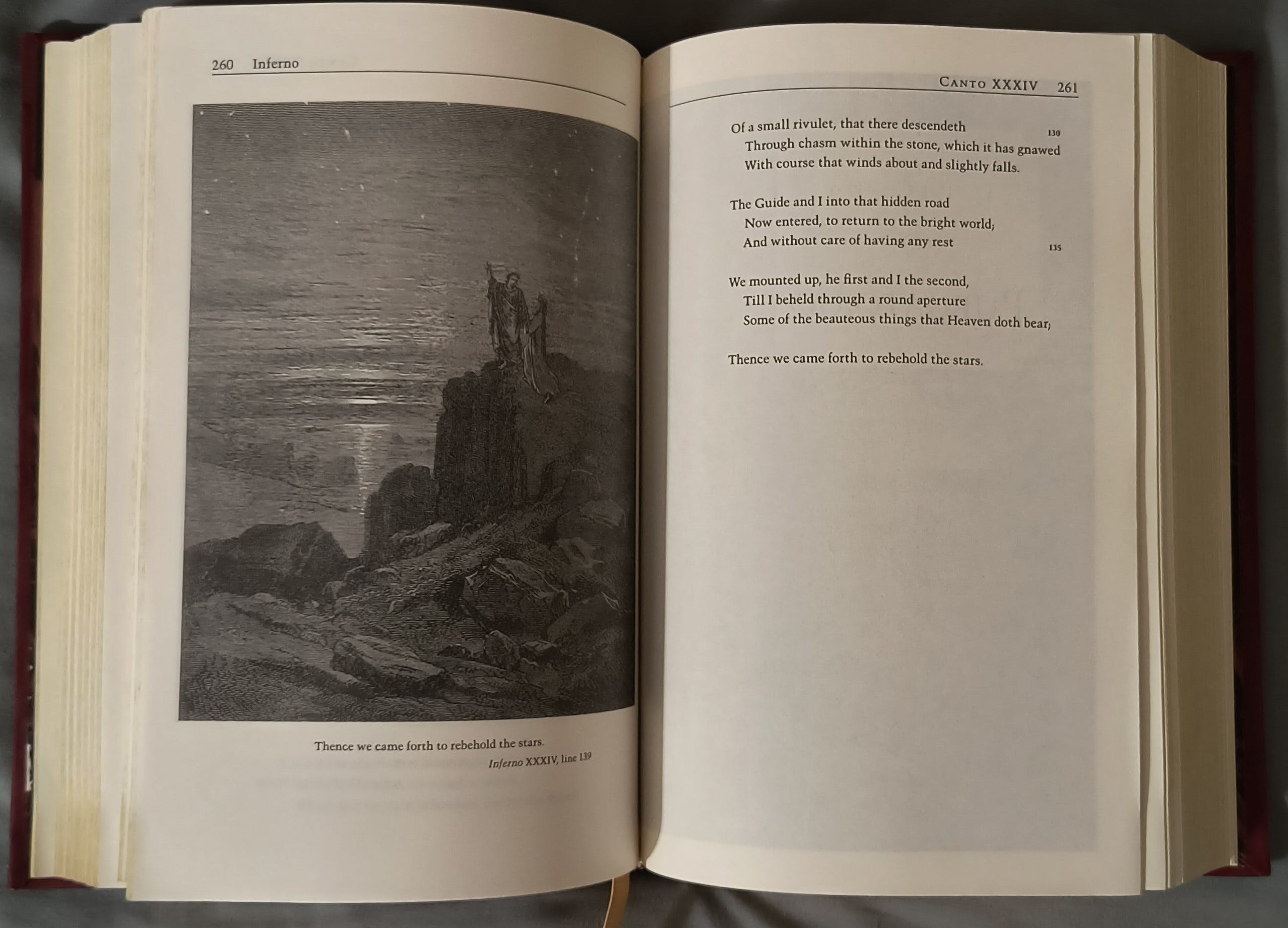
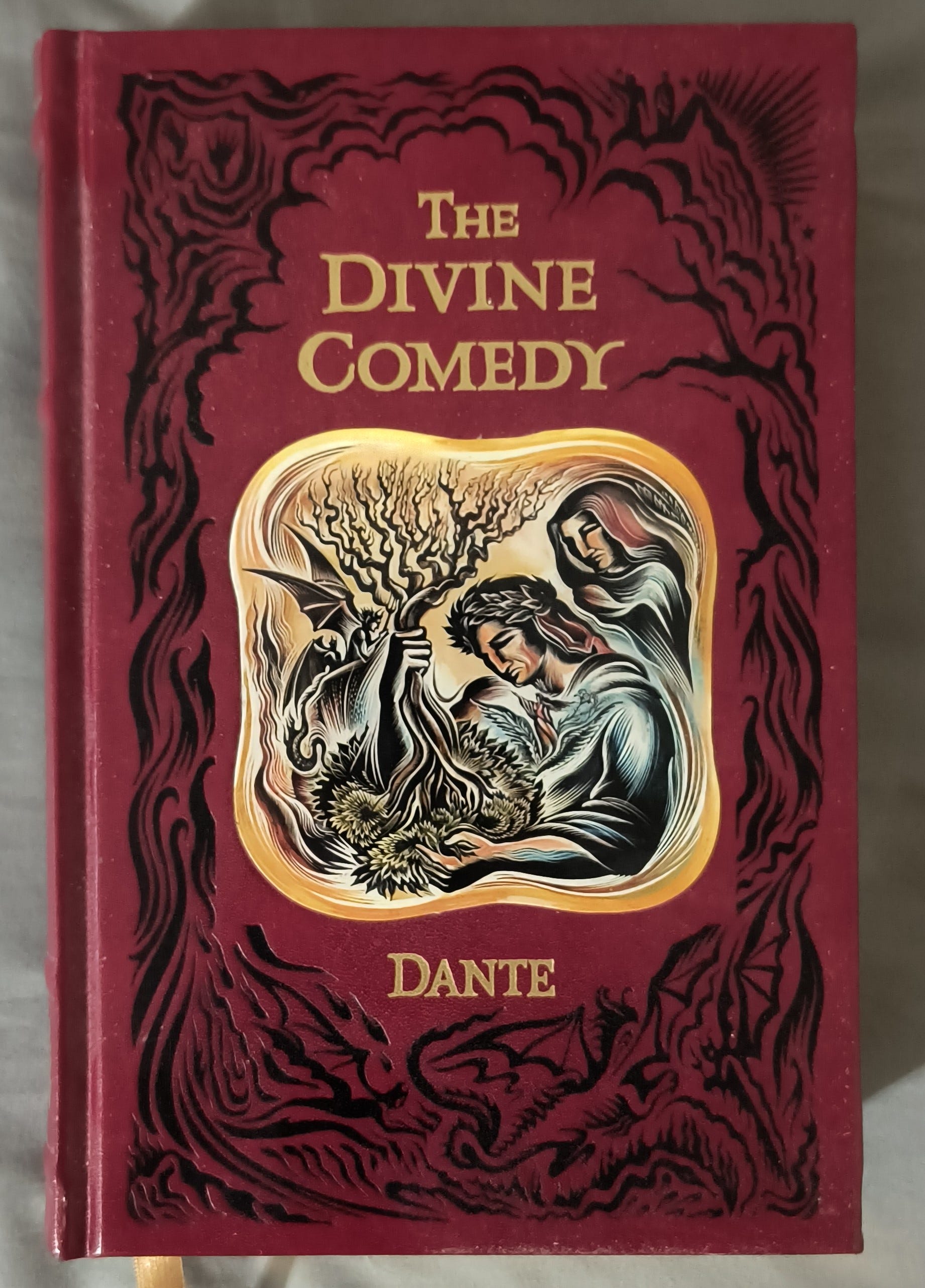
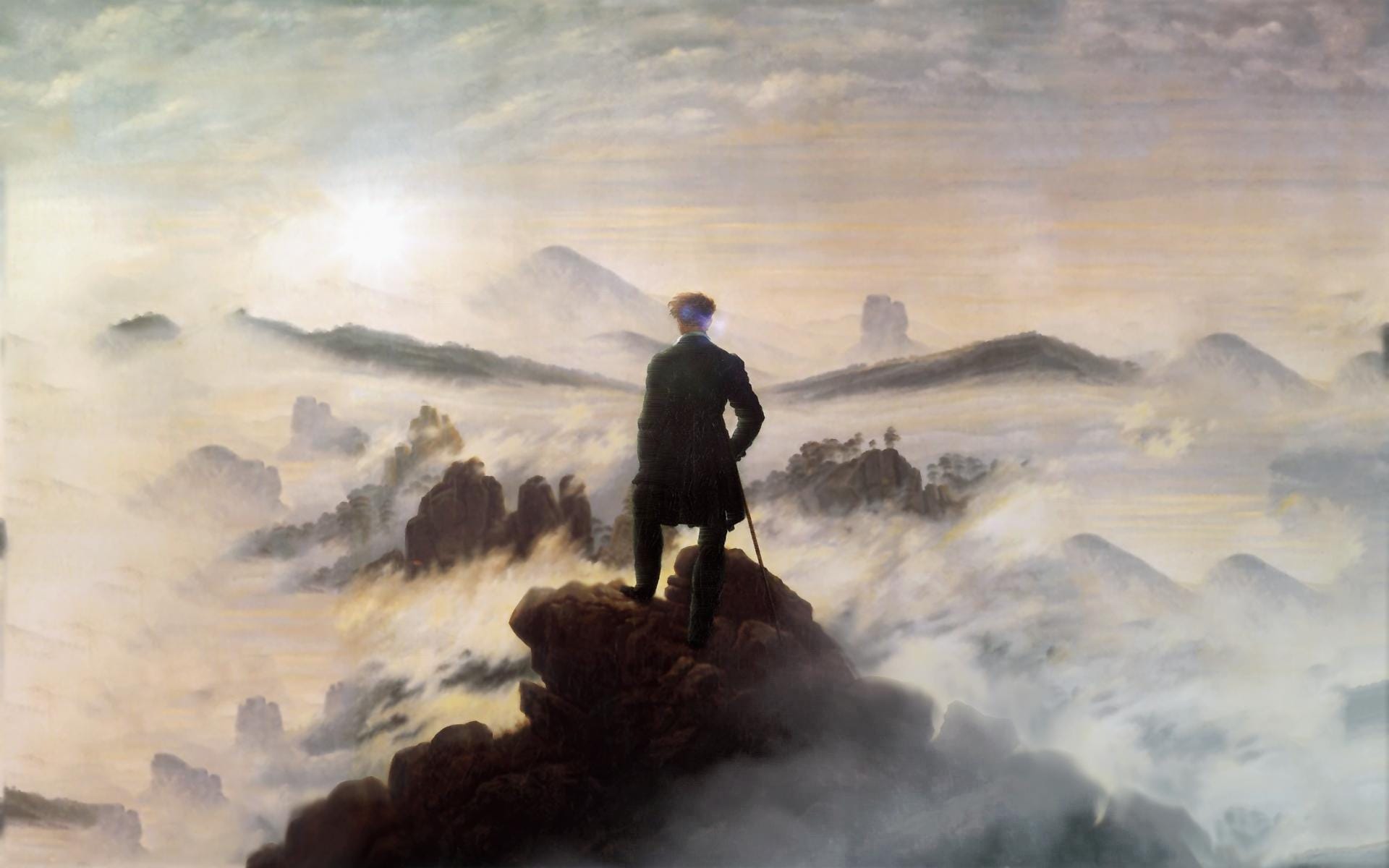
When Caspar David Friedrich painted Wanderer above the Sea of Fog, he was saying something true about the romantic yearning of the human spirit. When the anonymous poet penned the Anglo-Saxon elegy “The Wanderer” he was saying something true about loss of home, kin, and purpose. When C.S. Lewis wrote The Chronicles of Narnia, he was saying something true about childhood and the adventuring spirit. When Dante Alighieri wrote The Divine Comedy, he was saying something true about the journey of the soul and our struggle toward the transcendent.
In all cases, the work of art, visual or literary, expresses something true about the world and demands consideration. If something is true, really true, necessarily true, then it will be true in all other worlds as well.