One of the most recurring and powerful images of art and literature is that of the valiant knight slaying the dragon and rescuing the watchful princess. Endless examples may be listed whether from literary and artistic traditions or from mythic and religious lore. There is something truly iconic and unifying in the image as it demonstrates the powers and virtues of both the masculine and the feminine. Many dismiss it today as merely depicting a damsel in distress who cannot save herself, but this does a disservice to the tale.
Perhaps the single most famous example is that of St. George and the dragon. In his travels, St. George came across a young princess who had been condemned to serve as a sacrifice to a dragon that had been terrorizing her homeland for many years. In defense of the princess, St. George struck the dragon down and bound it to her as little more than a pet. When the townsfolk were terrified by its presence, he commanded them all to repent and be baptized, and he would slay the dragon for them once and for all.
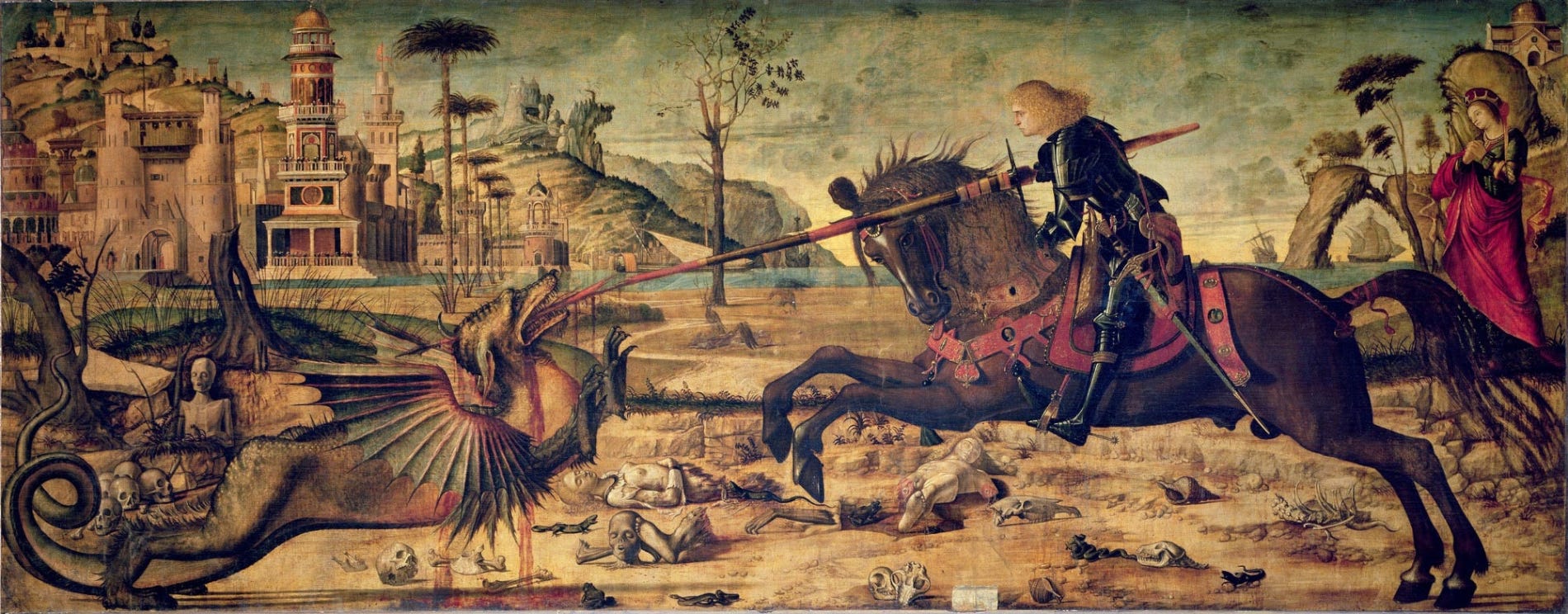
Despite her cries that he save himself and flee, George took up arms against the beast because there was no other choice to make. Either you answer the call or you fade into nothing. You persevere or you perish. You take up your spear and you fight, or else you disgrace the call. There’s more to be found in the image of knights and princesses however, and we must look more deeply at what is being expressed.
The knight is a man who has taken an oath to serve his lord and his lord’s people, to uphold what is true and just, to seek the good, and to help those in need. The chivalric code demands the pursuit of virtue and character, to practice war only for the sake of peace. While many knights in history have fallen short of these ideals, the knight who rescues the princess is no such figure. He is the embodiment of chivalric virtues and the selfless love demanded of men by God.
The princess is a woman who exemplifies the virtues of the feminine, the strength of empathy, the discipline of humility, the honor of devotion, and the courage of charity. She is the one so immersed in what is true, good, and beautiful that the forces of darkness cannot bear to leave her be. Her very character is an assault on the evils of this world and it demands that others rise up to defend what is just and right. Her station is that of the lighthouse beckoning others to safety.
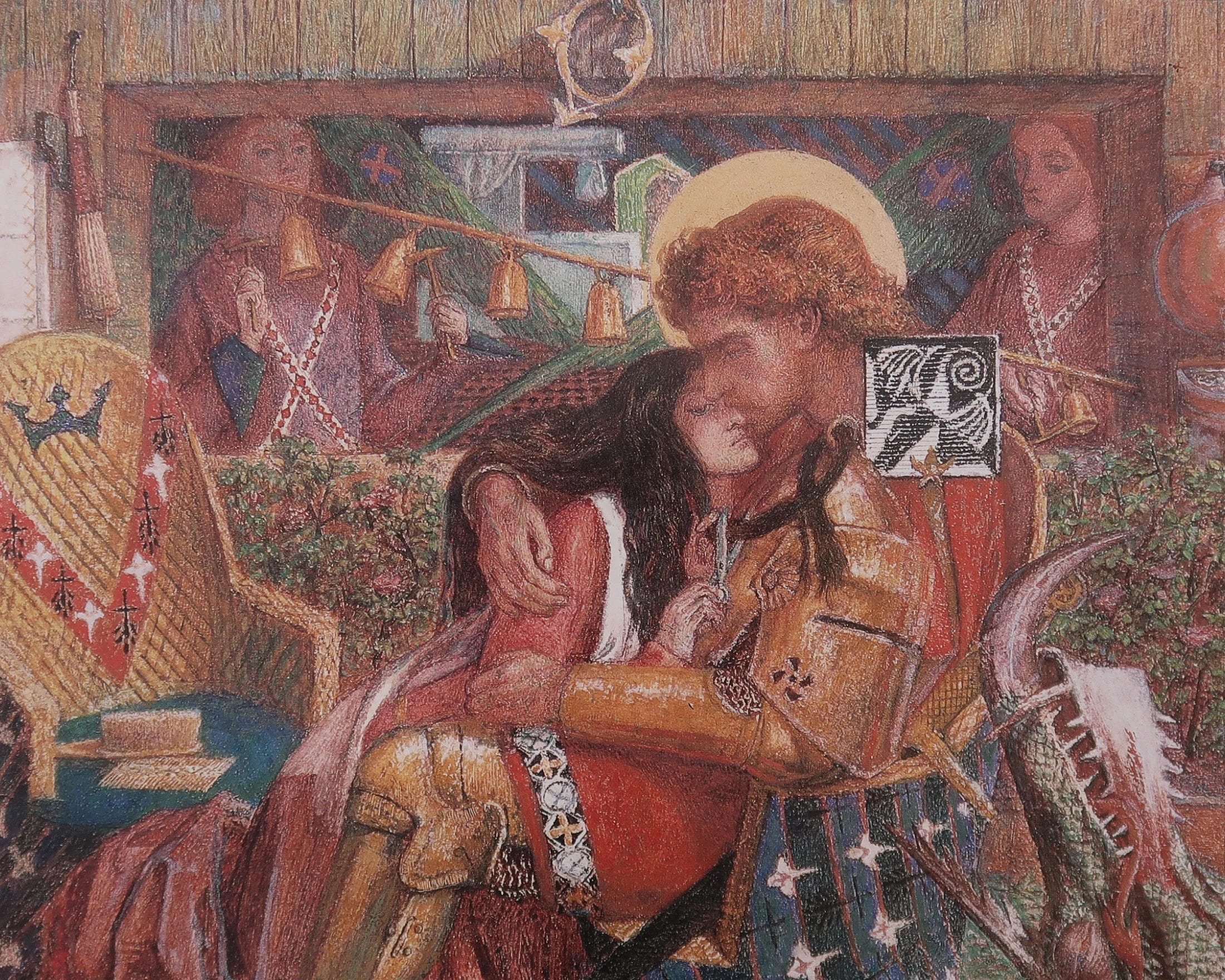
When a dragon steals away a princess or else demands she be handed over, it is seeking to destroy what is innocent and beautiful. It desires to tarnish the unblemished and to cast into darkness that light which draws others forward. Both the knight and the princess act as signposts to what is even greater than they, the transcendent True, Good, and Beautiful. By assaulting the princess, the dragon hopes to wound that transcendence and to cast the knight into darkness along the path so he might become lost.
One of the most striking and memorable scenes from my childhood comes from Robin Hood: Prince of Thieves (1991). It typifies this love between the knight and the princess, the roles they play and the absolute character required of the knight. Near the end of the film, after killing the Sheriff of Nottingham, Robin rushes to Marian and embraces her. Breathlessly, she expresses her shock and joy that he’s alive and he came for her. Without a thought he responds, “I would die for you.”
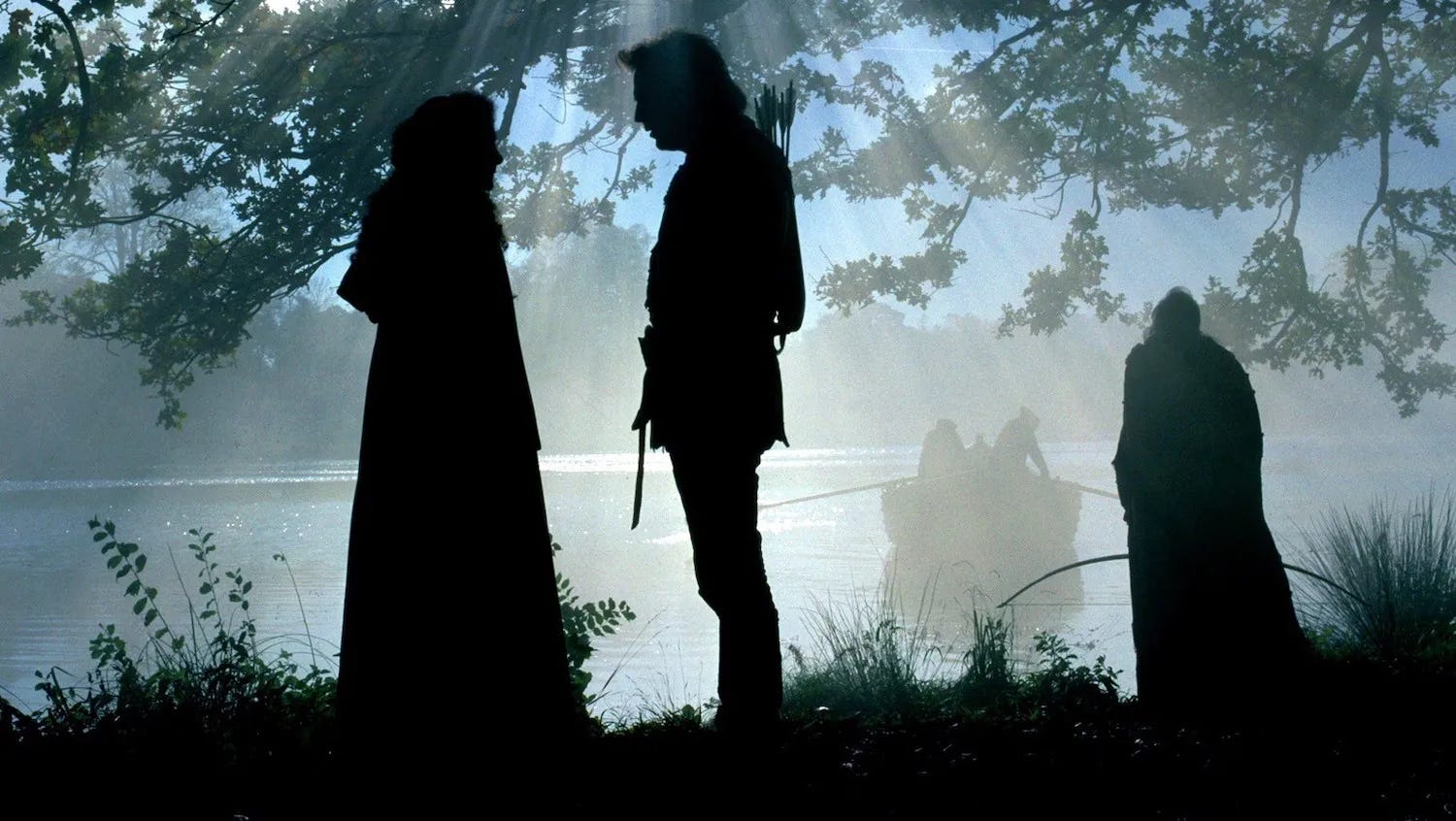
This is what honor demands of knights, that they be willing to suffer and die for what is true, good, and beautiful. He must be willing to sacrifice and to risk his heart, his mind, his body, and his life for the princess. She stands not as a prize to be obtained, but as a woman of valor who rightly enjoys the love and devotion of the knight. It is through the self-sacrificing love the knight has for the princess that he is able to travel the thorny path of the transcendent. It is through the service of the knight that the princess is able to flourish in the light of the transcendent.
This princess is not a damsel in distress who is rescued because she is helpless. The knight does not save her because she is little more than a child. He does so because he loves her and he will pursue her safety and well-being even and especially at his own expense.
She does not wait for him to save her out of cowardice or weakness, but because she understands that it is his path to take and it is her duty to cast light upon it. There is no imbalance of strength in the tale of knights and princesses, only the harmony of the masculine and the feminine in their most primal and mythic conditions.
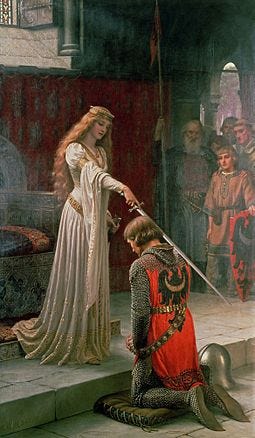
The dragon is defeated as it dared to mar the beauty of the innocent and to stand in the way of valiance. It desired what did not rightfully belong to it, that is, what is beautiful. It must steal away the beauty of others and keep it captive for it has none of its own.
The knight and the princess work in tandem to display the selfless love and duty which the world has been called to imitate. In their roles, they exemplify the bonds of marriage and the joyful duties therein. In both, there is a willingness to suffer for the other, to serve the other in the deepest and most profound of ways, and to stand in the face of darkness if it means the salvation of the other.
Always a knight, ever a princess.