

Ending a trilogy or series is always difficult, but when that series is as iconic and revolutionary as the Dark Souls Trilogy, the pressure becomes immense. The immediate follow-up to a landmark piece of media is always subject to unique levels of criticism, but the finale also has its share of unique pitfalls. Most people expect a trilogy’s conclusion to tie back to the beginning and embrace the legacy of the series while still doing something new.
This is a difficult balancing act and, overall, I would say that Dark Souls III does it well. It is a worthy successor and conclusion to the trilogy with plenty of references (almost too many at times) to the original game as well as several to Dark Souls II. Mechanically, Dark Souls III owes quite a lot to the second game of the series, but lore-wise it certainly takes more from the first.
As with the last two posts, we’ll go over the absolute basics of the game’s lore and narrative so that a discussion of its themes can be more fruitful. Countless ages have passed between the beginning of the trilogy and the start of Dark Souls III, and the Fire has been linked by innumerable would-be heroes. And once again, the Fire is fading and the Undead Curse has returned.
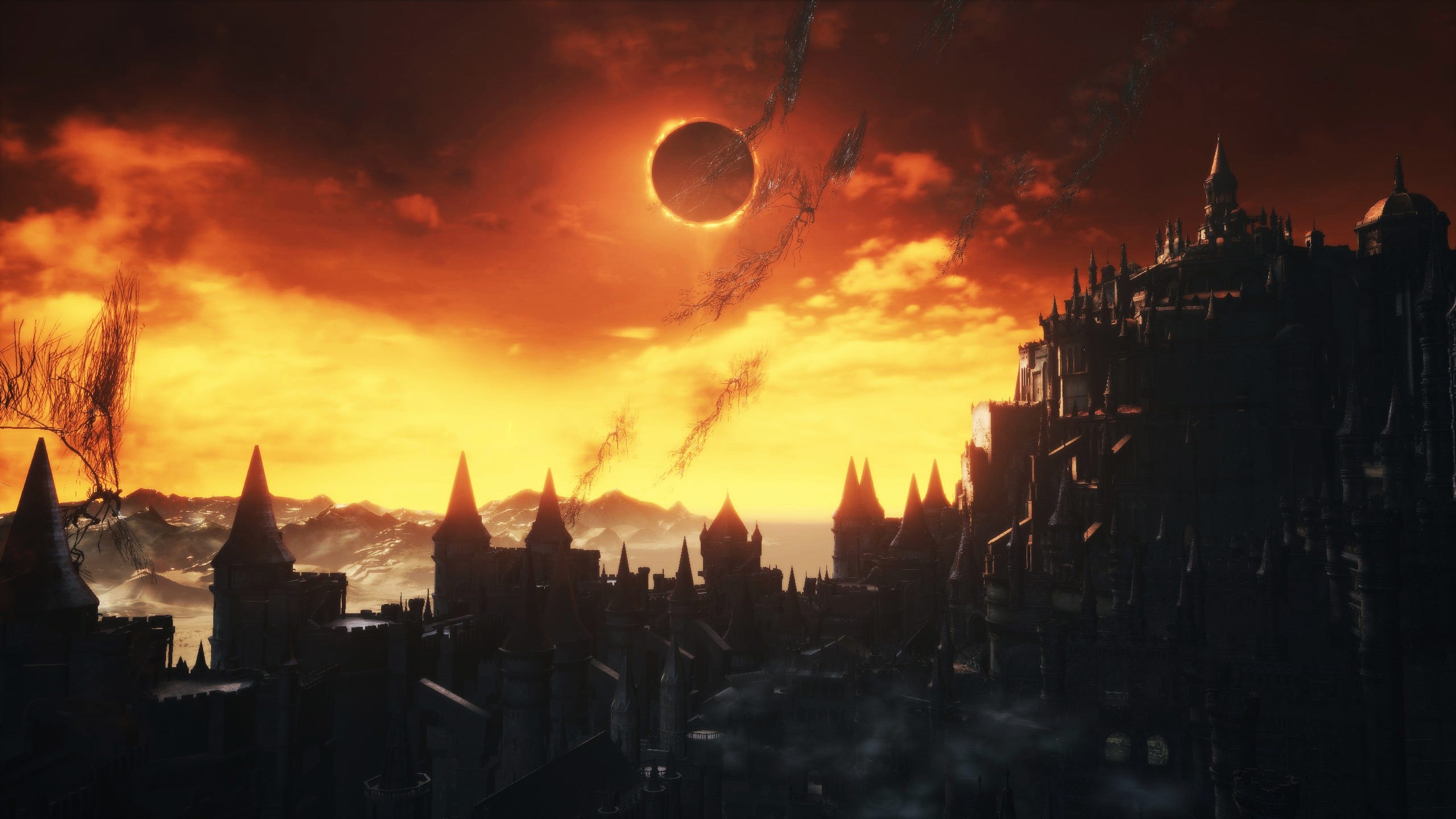
Prince Lothric was appointed to be Lord of Cinder so that he might link the Flame and continue the Age of Fire for a bit longer, but he refused. He chose instead to let the Fire die. As a result, several of the previous Lords of Cinder were brought forth from their eternal rests so that they would fulfill their duties and link the Fire once more. They also refused and dispersed across the crumbling lands.
In a final effort to preserve the Fire, the Unkindled were raised, those who had previously attempted to link the Fire but failed. Playing as one of the Unkindled, the Ashen One, you seek out the Lords of Cinder to bring them back to their thrones so that you might use their powers to link the Fire yourself. As you venture through the broken lands of Lothric beneath a dying sun, it becomes clear that the Age of Fire is coming to an end, even if the Fire is to be linked again.
The Dark has been held off for so long that the world has begun to rot and a new place, known only as the Deep, has emerged and threatens to consume all that it touches. Once all the Lord Souls are acquired, the Ashen One ventures onward to the Kiln of the First Flame where everything began. There, they are confronted with the Soul of Cinder, the Fire manifest. So desperate to remain linked, to stop the inevitable, the Fire itself battles you fearing that you mean to let it extinguish. Taking on all the powers and abilities of all those who previously linked the Fire, most especially Lord Gwyn, the first Lord of Cinder, it desperately clings to life.
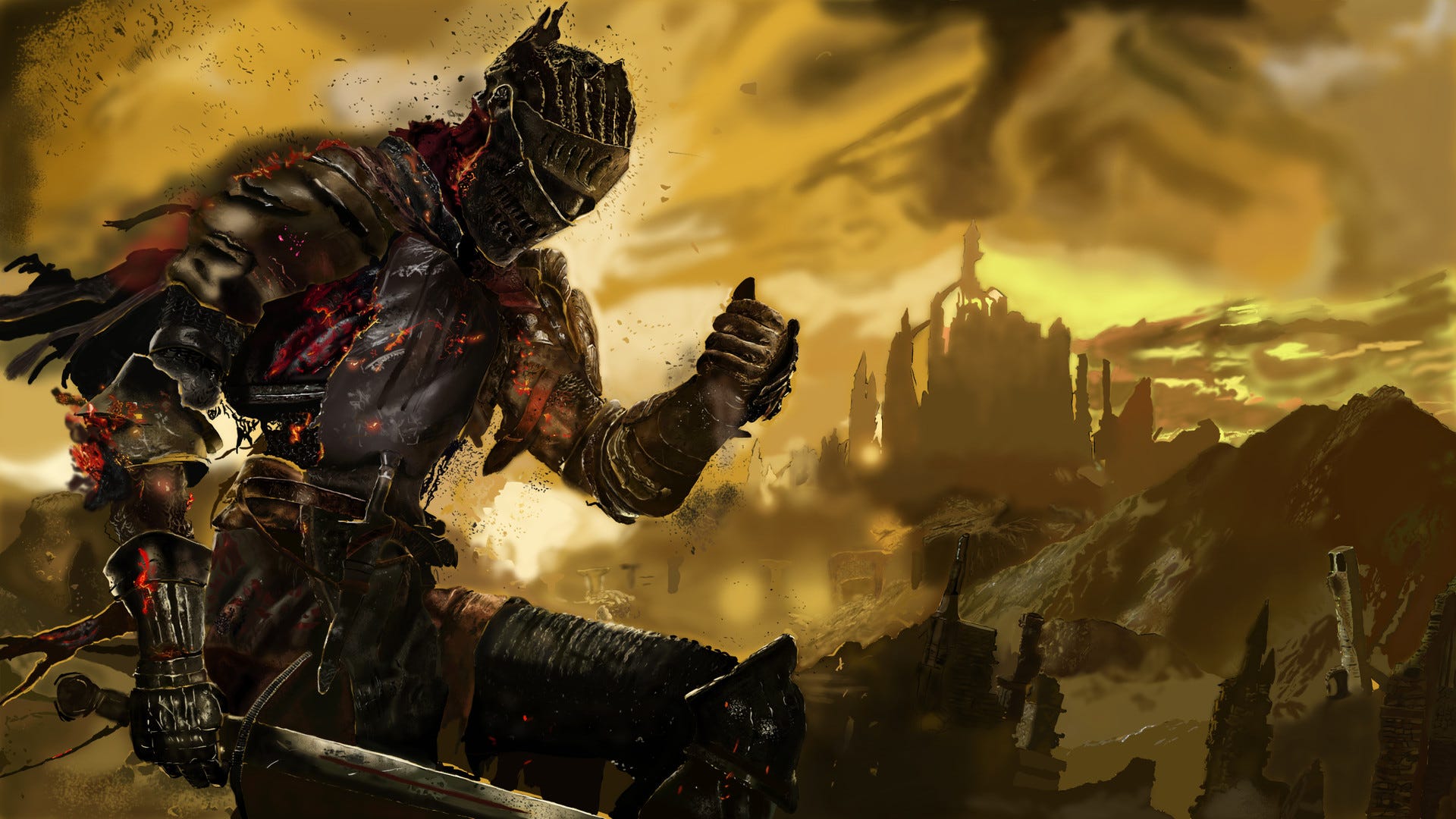
Even if you are to link the Fire at the end, there is little more than a flicker that remains. A pitiful flame that will soon die. If the Dark is embraced and the Fire dies, all that remains is shadow and the call of the Firekeeper’s voice asking, “Ashen One, hearest thou my voice still?”
The true conclusion, however, comes in the distant future. At the end of time, the true and final end of the world, amidst the ashen ruins of all great kingdoms that came before, the Ashen One battles with another hollow warrior over the Dark Soul which the furtive pygmy (so easily forgotten) discovered before the Age of Fire.
Lore in the Dark Souls Trilogy is far too ambiguous and complex to do justice to in a single post, but a basic summary is serviceable. An obvious theme to start out with is that of fighting the inevitable. This theme is present in all three entries, but it comes to a head in this game. After countless ages, the end has come, yet the world is not done fighting. Even the Fire itself fights for life, grasping for just a few more moments of light before the long dark. Despite this major theme, many in the land of Lothric have already accepted that the end is nigh and they have no desire to continue the Fire. The Lords of Cinder are key examples of this. Each gave their lives to link the Fire in the past and they refuse to do so again.
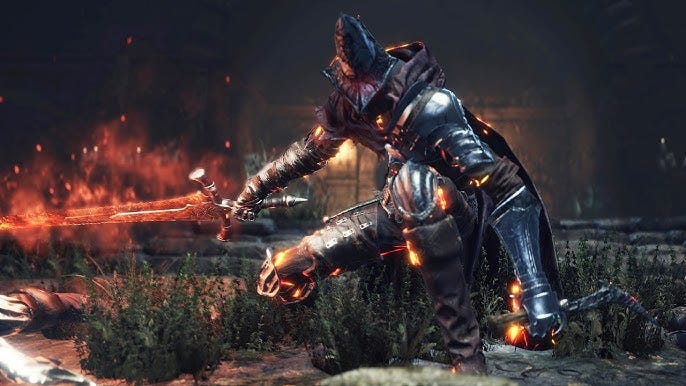
This acceptance of the inevitable is most clearly seen in Prince Lothric and his elder brother, Lorian. They have turned their backs on the world and await the coming dark. Despite being called upon to become the next Lord of Cinder, Lothric determined that the Age of Fire was not worth saving and that the Dark must finally be permitted to fall. When confronted by the Ashen One, he denounces the linking of the Fire and the system it has created.
Oh, dear. Another dogged contender... Welcome, unkindled one. Purloiner of cinders. Mind you, the mantle of Lord interests me none. The Firelinking curse, the legacy of Lords -- let it all fade into nothing. You’ve done quite enough, now have your rest.
In contrast to Lothric’s refusal of the call, there are many throughout the ruined lands who wish to salvage the fading embers. The Ashen One is pushed along and is expected to bring the souls of the Lords back to their thrones, but the ultimate decision to link the Fire, usurp it, or led it fade is left to you alone. Is there valor in clinging to the fading light, and is there courage in embracing the encroaching dark? We are given no clear answers as to what the world will be like after the Fire fades for good. All that is known, is that in the effort to stave off the long Dark, the world has fallen to deeper corruption through countless eras of Firelinking. The temporary salve has caused wounds of its own, and the result is beyond our understanding.
The world is destined to end, shattered and ruined, its great monuments and kingdoms buried in the ash of its burnt glories. All will perish beneath a dying sun and eventually no histories will be left to tell the stories of great heroes or their foes. Death comes for the world as much as it comes for us. This is not necessarily the end of all things, however, as it is often through destruction that something new may be born.
Back in the first game, one of the optional areas, the Painted World of Ariamis, showed that new worlds could be made. Ariamis decayed and fell to ruin and rot as the lands of Lordran beyond also succumbed to the Undead Curse and the fading Fire. The concept of a painted world returned in Dark Souls III with the Painted World of Ariandel. We find the Painted World, having been restored by Ariandel sometime in the past, now in a state of rot once again. Despite this, there is hope that a new painting can be made so that the world will thrive and flourish once more.
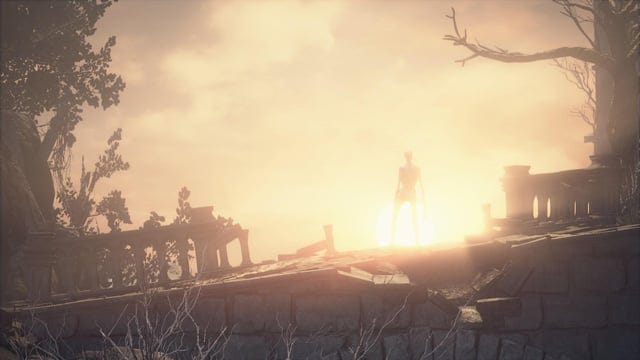
As the great question of the world’s fate looms over us, we must face not only the inevitability of our own personal death, something we have become intimately familiar with across the trilogy, but with the death of the world. One of the most striking images in Dark Souls III is that of a lone hollow standing on a crumbling bridge, mind warped and rotted by the Undead Curse, enraptured by the sight of the dying sun on the horizon. Death is a core theme in nearly every great human story, and this trilogy is no different, but the final installment is less interested in our personal death than the death of worlds.
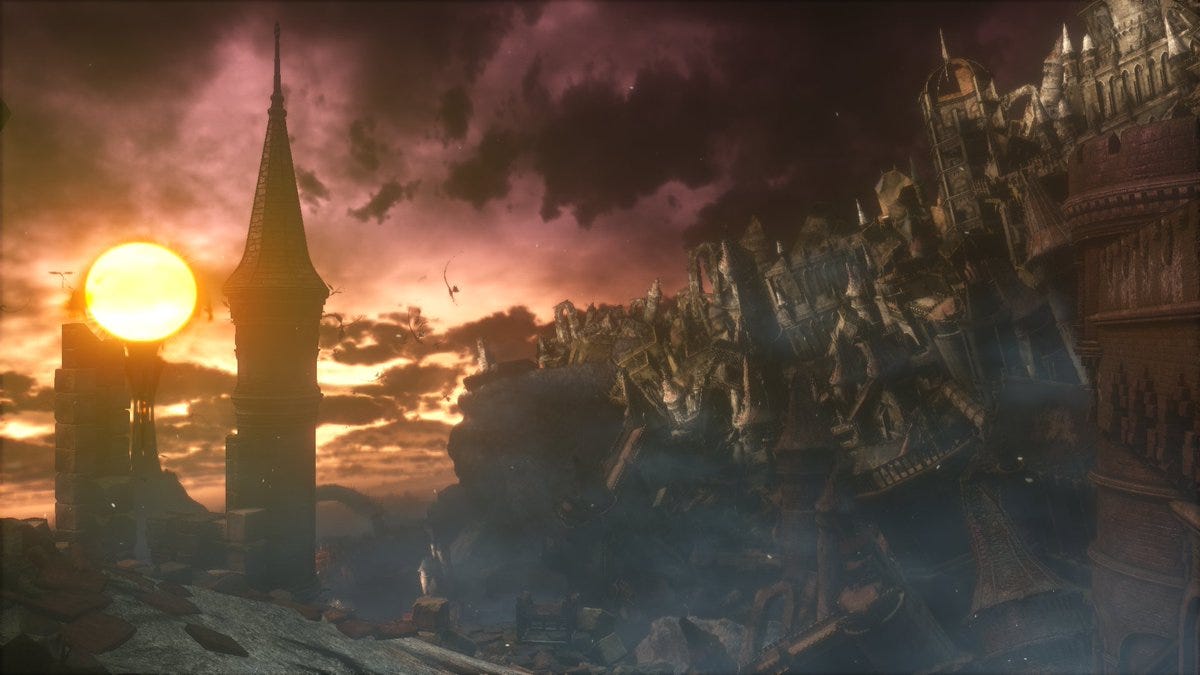
The final act shows us the bleeding together of all the great lands of history until nothing remains but dust and memories soon to be forgotten. Just as with the hollowing of the Undead Curse, it is the loss of self that stands as true death. When one can no longer remember what it is to be alive, to love, to fear, and to persevere, then one has truly gone hollow and has died in a way worse than physical death. It is just the same with kingdoms.
In Dark Souls II, King Vendrick built a great kingdom that came to ruin due to his failure to defend it against his wife’s corruptive influence. The memory of his kingdom faded, barely known even by the narrator in the game’s opening cinematic (“I believe they called it Drangleic”). A world dies as the memory of it fades, and upon the ash heap at the end of time, they are no longer distinguished and merely wait for oblivion.
As the sun dies and darkness stretches across the world, our final decision is to persist in the broken system we were thrust into, to break the system in the fading hope that something better might emerge in its place, or usurp the power for ourselves and become the very tyranny that subjected us to our fate.
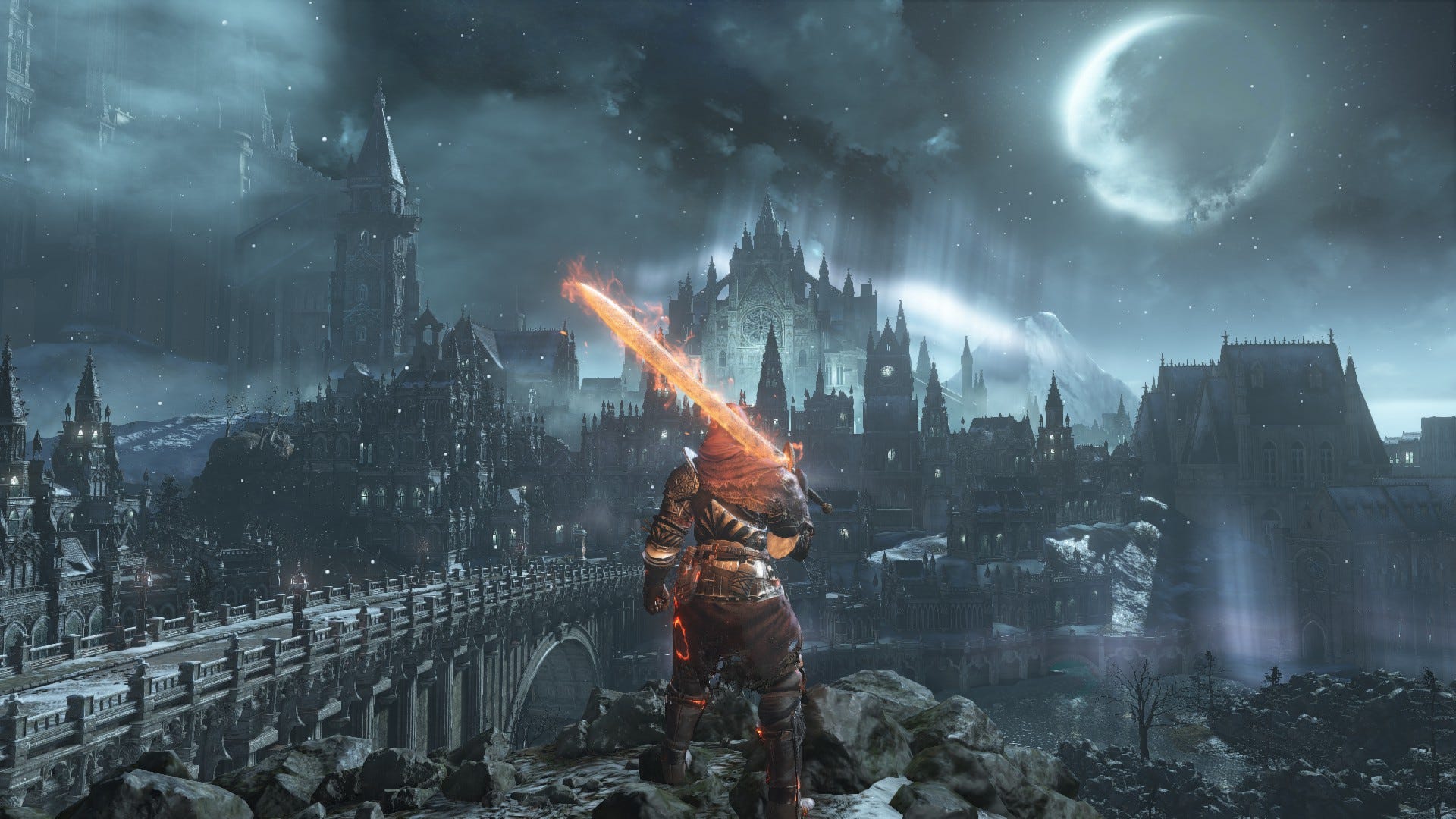
There are no clean answers in a world without clear hope. The only enduring truth in the broken, weary lands of Lordran, Drangleic, and Lothric is that change and death come for us all.
The Chosen Undead, the Bearer of the Curse, and the Ashen One live in worlds without hope and without a true, unyielding light. The perseverance demanded of them, and us, in their adventures is Sisyphean in its futility yet nonetheless noble. In our world, however, we do have hope.
We are not doomed without hope for the light as they are, but we can still be lost. Let the doomed heroes be for us an example of how persistence in the face of darkness and the inevitable is still right and true, no matter the outcome.
As always, don’t you dare go hollow.