

Perhaps the most universally recognizable trope in fiction is that of the ‘Chosen One’ or the Savior. This type of character goes back many thousands of years, to our earliest recorded stories. It has emerged in every cultural group throughout history, indicating that it rests somewhere deep in our subconscious. Even outside of stories we often look for saviors, either in our personal trials or in the midst of political and societal ills. We are hardwired to look for someone who will be anointed to rescue us.
Despite its far reaching influence, this has also become a much-maligned trope due to many examples of poorly written and developed Chosen One characters. I can sympathize with people who dislike or are tired of them, but the good examples are often of such quality that they shine out the bad. This character trope speaks so deeply to the human psyche that we will never be rid of it, so we might as well learn to live with and appreciate it.
There are different forms this trope takes that must be explored before we can get to the bottom of the trope as a whole. It seems to me that there are two primary forms: the hero foretold by prophecy, and the hero anointed at a particular time.
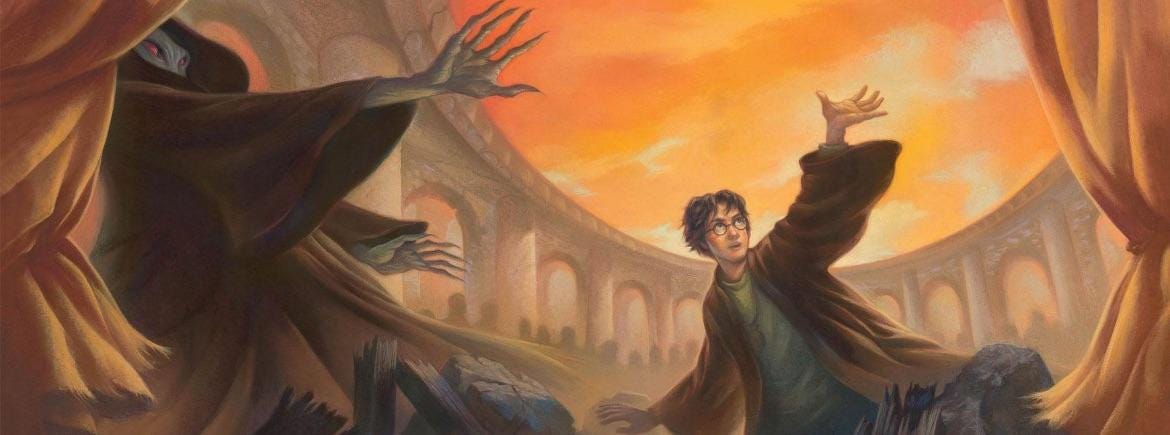
Heroes of prophecy probably make up the lion’s share of this character trope as it is the easiest to do and to integrate within a narrative. The most obvious example from recent fiction is, of course, Harry Potter. His rivalry with Voldemort was foretold in prophecy, and his knowledge of that prophecy propelled him forward into war. Another example, though ‘hero’ is obviously a complex term to lay at his feet, is Paul Atreides from Dune.
These are the Chosen Ones whose roles are determined in the conflict without their knowledge or consent, often being determined years before they are even born. They are beset with the weight of destiny and often struggle with their path due to their inability to change it. This can lead to fascinating character development and internal conflict.
It can also lead to boring, rehashed, and cliched character woes and self-pity. There is a delicate balance required. Chosen Ones benefit from reference to other great Chosen Ones, but they need to stand on their own as well and not merely act as one story’s messiah transplanted cheaply into another.
Generic characters do not go far regardless of their tropes, but for Chosen Ones it can be even more grating and frustrating. Why exactly is this prophesied hero so boring and plain? Being average is no issue, but being uninteresting is unforgivable.
I think part of people’s exhaustion and disillusionment with Chosen Ones has come as a result of YA fiction taking culture by storm. Many of the prominent YA protagonists of the last twenty years have been Chosen Ones of one sort or another. It is unfortunate that many of these protagonists are quite bland as characters and cannot stand on their own. They mostly act as hollow shells for the audience to slide into while reading.
Though some people would cite Harry Potter as one such protagonist, I actually disagree. I think he has a fairly complex and interesting personality on his own, and his struggles with destiny are effectively conveyed and explored. He has become the template, however, and has therefore been cheapened in retrospect due to so many subpar characters attempting to fill his shoes.
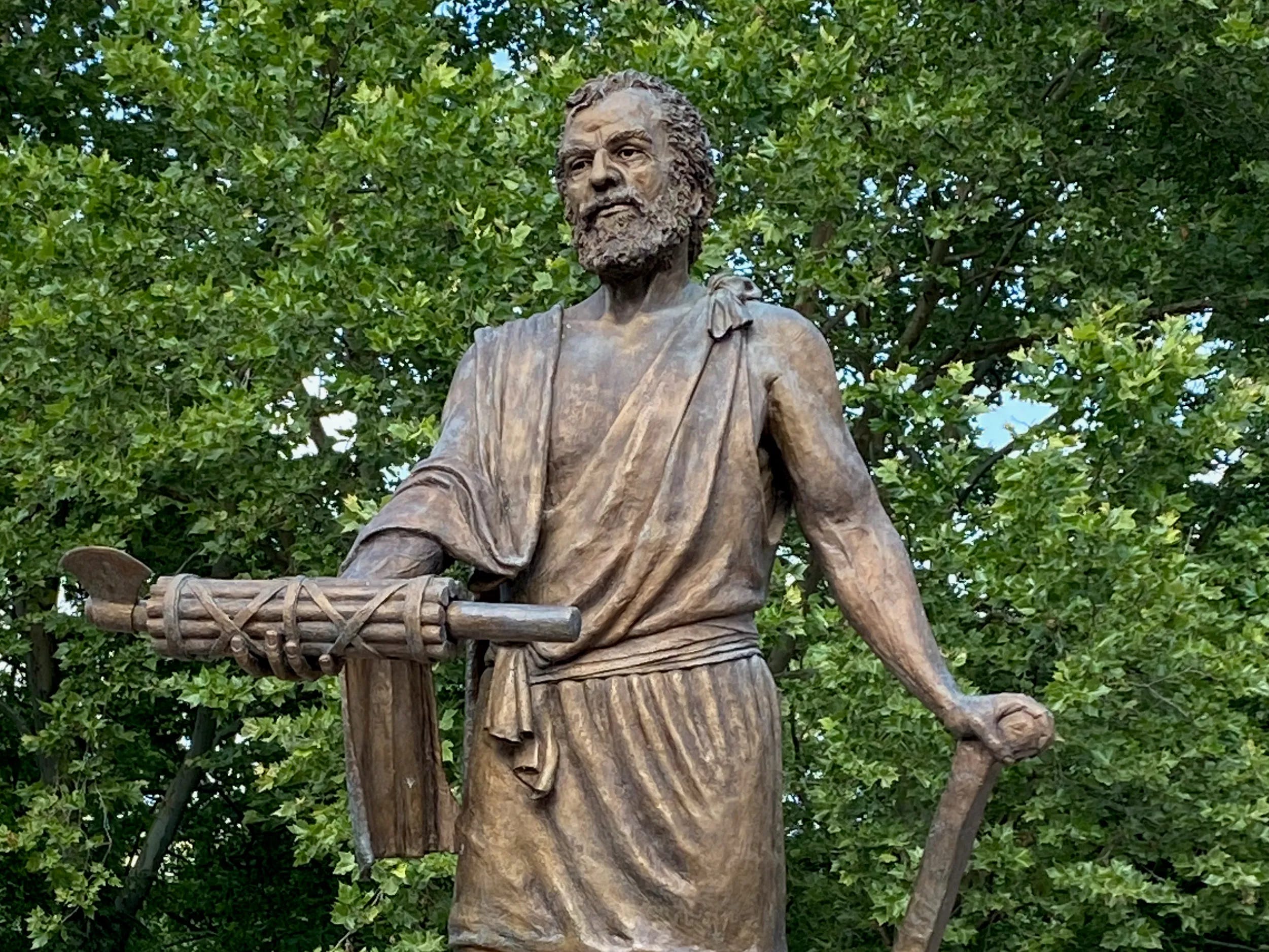
The other form of Chosen One is that character who is called to action at a particular time. He is not foretold by prophecy, but in the moment of battle, he is called and he answers the call. A great example from history/legend would be the story of Cincinnatus. A man of a simple life who was called to defend his homeland. He answered the call, then returned home. I often find this sort of Chosen One to be more interesting, narratively speaking. They stand at the break of destiny not because they were foretold to be there, but because they were the ones who took the burden on.
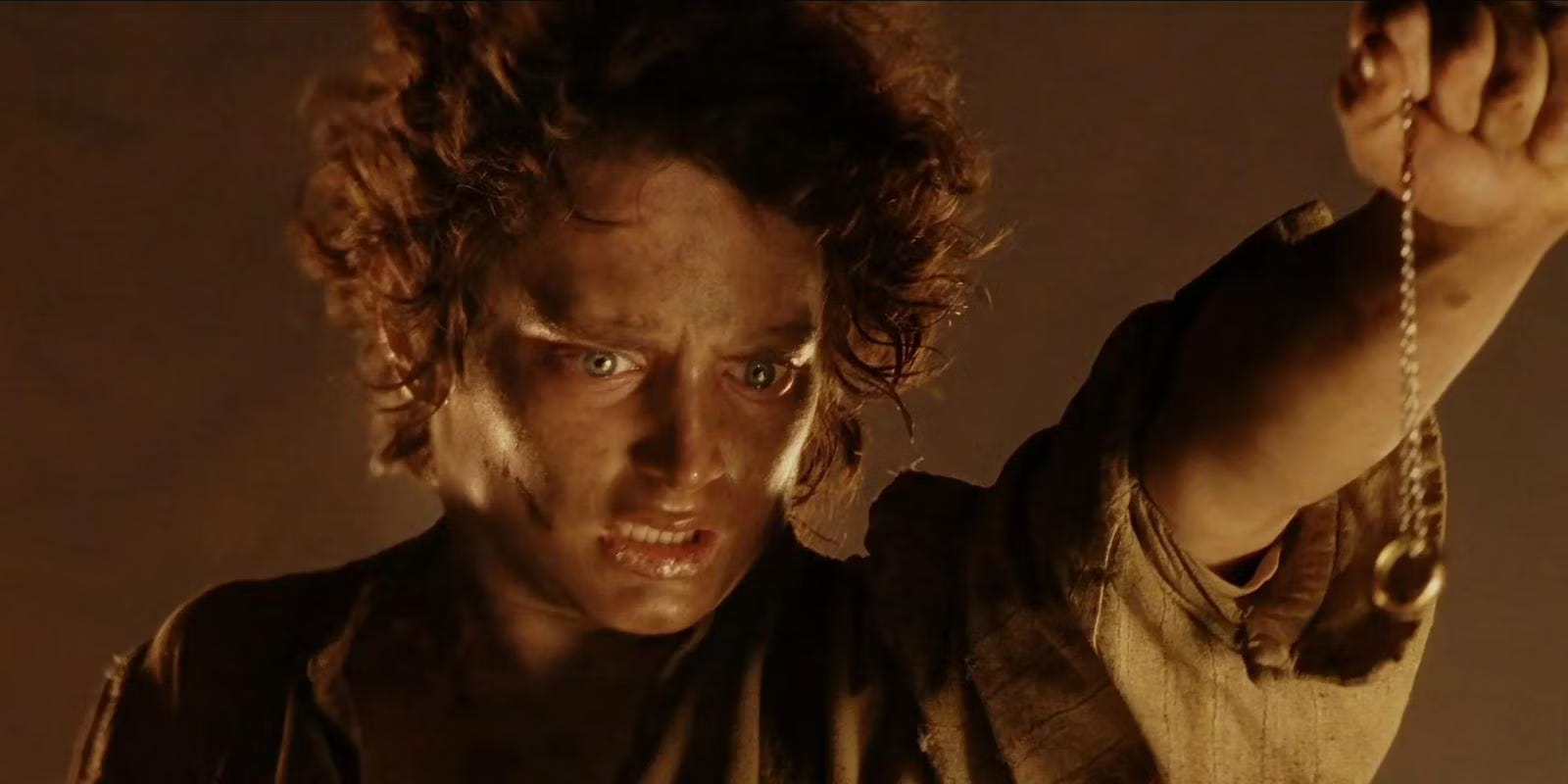
Perhaps the greatest example from literature is Frodo from Lord of the Rings. He was not a prophesied hero, but a simple hobbit who took on the weight of the world. One of the features often present with this type of Chosen One, and it is seen very clearly with Frodo, is the movement of providence.
They may not be foretold by prophets and sages, but they are still chosen by forces beyond their understanding. At the Council of Elrond, Frodo responds to the movement of providence within his heart and declares that he will take the Ring to Mordor.
At last with an effort he spoke, and wondered to hear his own words, as if some other will was using his small voice.
‘I will take the Ring,’ he said, ‘though I do not know the way.’ (Fellowship of the Ring, Book Two, 270)
Frodo will answer the call, leave behind his home with little hope of returning, and set forth on adventure. He has no claim to special status or powers, no unique properties that make him a greater hero than others. His smallness is the reason he is chosen, because he is ultimately not the hero of the story. He is the instrument of divine will, the activity of Eru Ilùvatar.
A key aspect of the Chosen One is the surrender of the past life. Whatever came before the call or the activation of prophecy is left behind in order to follow the path. It is an all-encompassing command upon their hearts, and they cannot resist, even if they wish to. They are called, and they must answer.
They leave behind the plow and the oxen in the field to follow the path set before them. This sacrifice of what came before is a necessary feature of the Chosen One. They are chosen, they cannot simply remain with their mundane life and hope to bear the burden of destiny. They are called to change, to sacrifice, to prevail, and sometimes to die.
There is no discussion of Chosen Ones without recognition of the greatest Chosen One present within the human consciousness, Jesus Christ. Many of these characters simply become Christ-figures, though perhaps our idea of what that means has been watered down over the years.
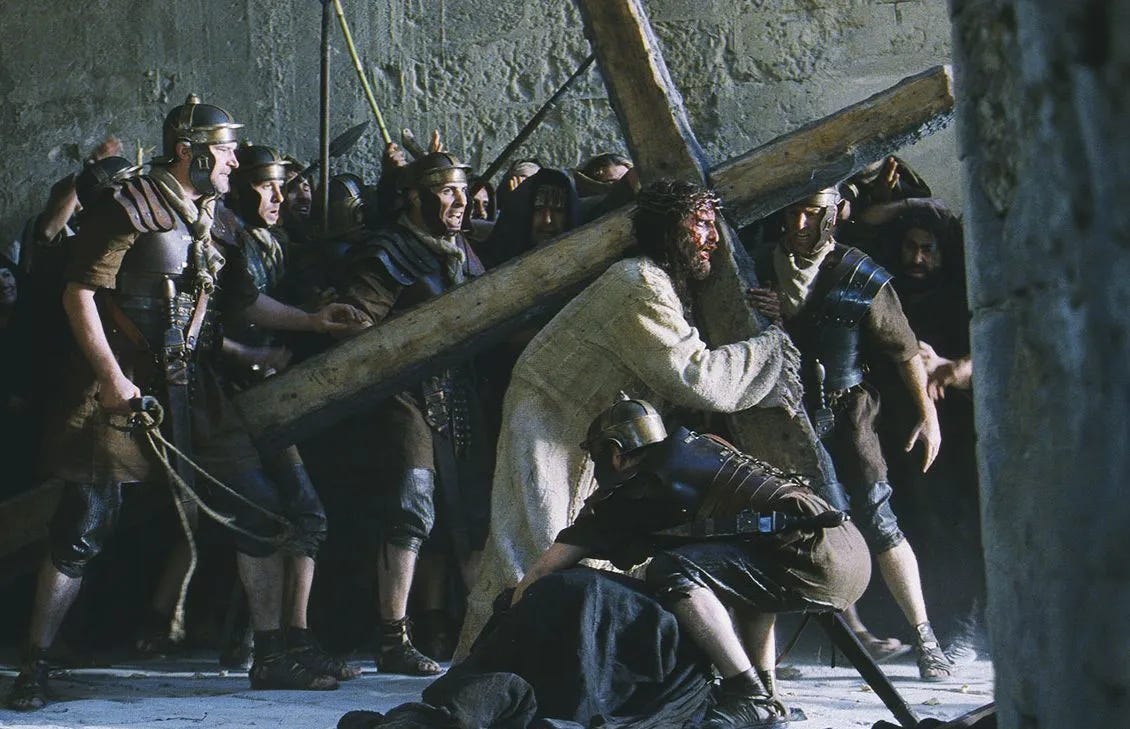
The Christ-figure is the greatest of all Chosen Ones, and this character may be foretold in prophecy or be anointed, as Jesus himself was both. What ultimately matters is that they make the ultimate sacrifice for the salvation of those they care for. The Christ-figure is not only one who is called by destiny to conquer evil, but to sacrifice everything in order to do so.
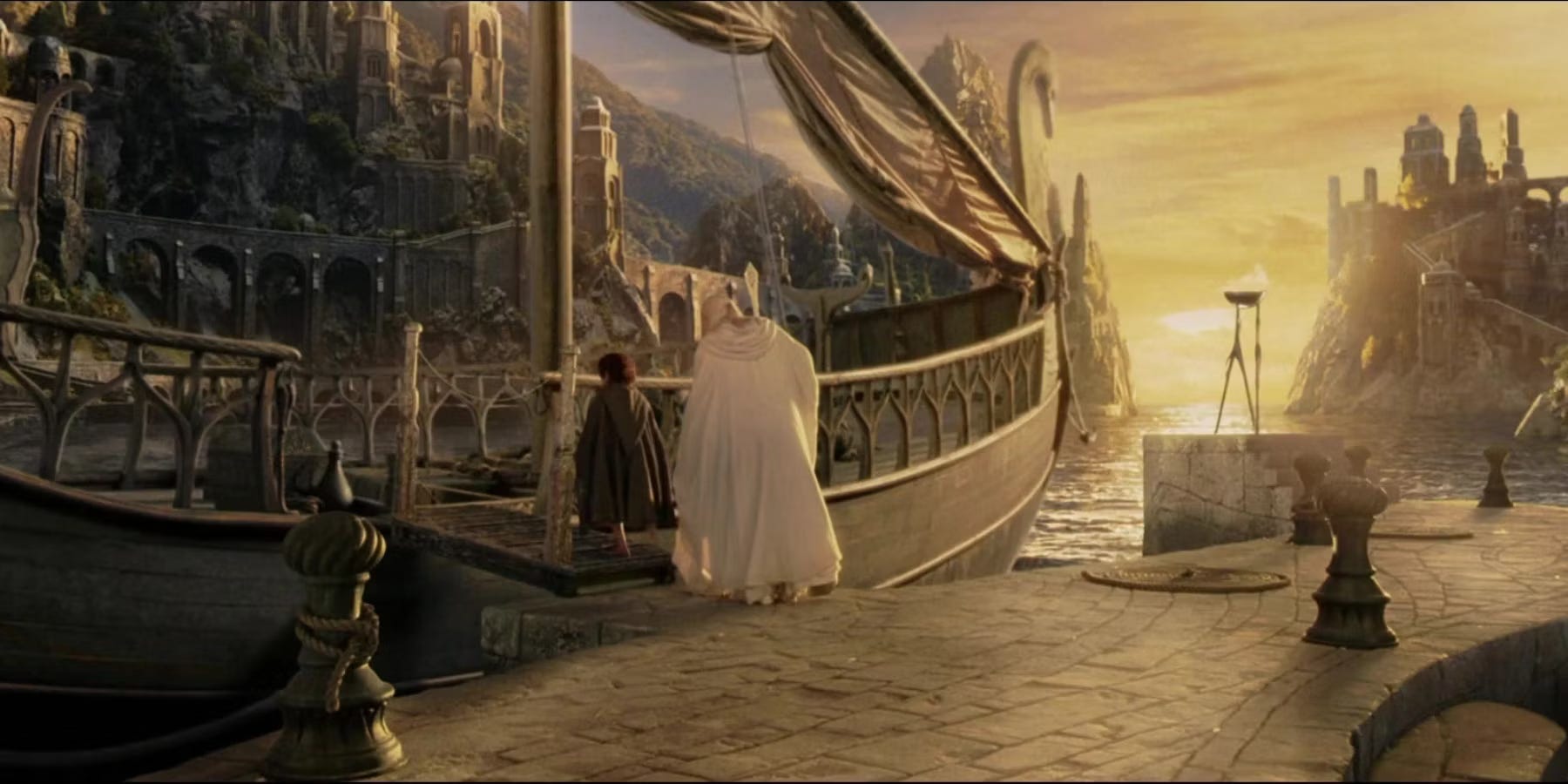
Cincinnatus may have turned away from his simple life for a time, but he returned to it after the adventure was done. There is no return to the mundane for the Christ-figure. Frodo is unable to return to normal life in the Shire after the wounds, physical and spiritual, he suffered on the journey to Mount Doom. He instead ventures forth to the Grey Havens for peace. He may not have died, but he lost everything that had come before his adventure and he returned a fundamentally changed person.
Christ rose again, but not to the mundanity of earthly life. The Christ-figure is the Chosen One who must lose everything. There is fear and pain involved in this, fear and pain at unfathomable levels. Jesus sweated blood in the Garden of Gethsemane as he awaited his fate, yet he submitted to his duty nonetheless.
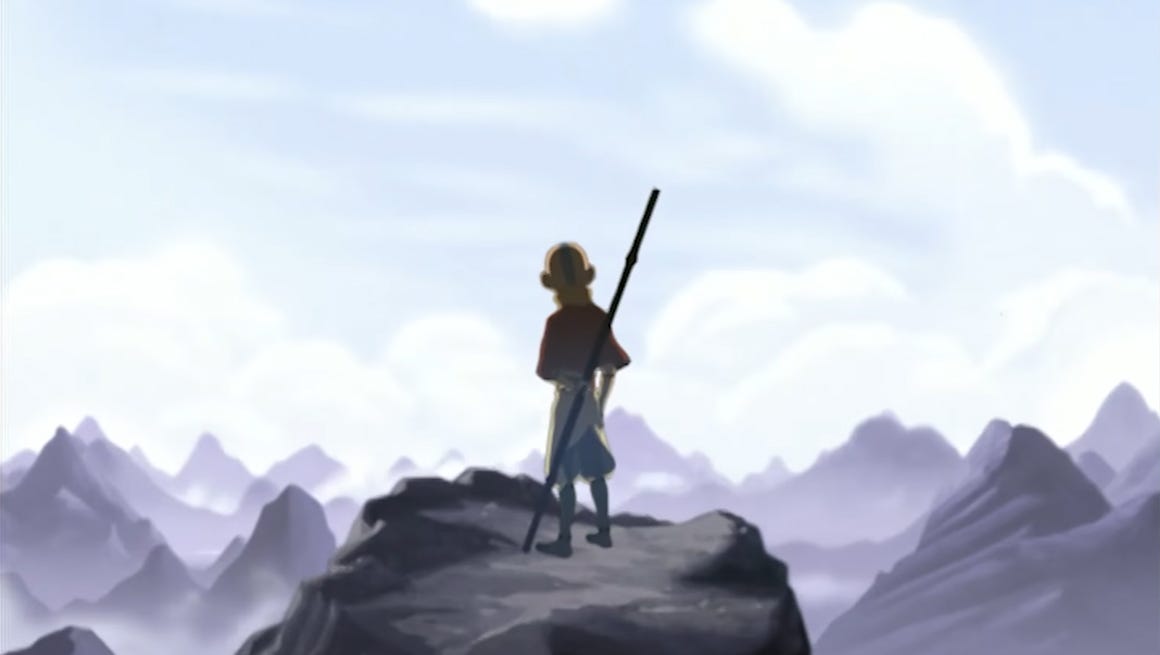
These are figures who call us to higher action. We cannot read the story of one chosen for greatness and not be filled with wonder and feel a demand press in upon our hearts to take action ourselves. A truly great Chosen One should inspire others to answer the call. Their very stories are our calls to action.
They have been chosen and have walked the path before us, and their footsteps invite us forward. We desire saviors in our lives, but we often neglect the reality that saviors demand sacrifices of those they save. When they sacrifice for us, we cannot remain in the mundanity of our lives either. There is work to do, and we must play our part. We are called to act and to follow.
Just as they die to what came before, so too must we.