

There’s a comfort in desperation and hurt. As we agonize over our failures and traumas, wallow in the darkness of despair, there’s a simplicity to a life unbound by the future. In the midst of despair we exist in this moment, in pain but focused. It’s a simplicity that can lead us to remain stagnant until we fade into nothing. Contentment with agony is self-destruction. Hope is always painful as we suffer, as all hope feels false through the red streaks of pain. What of the proverbial light at the end of the tunnel?
We know it’s there, we know it’s not false, but we don’t always know what it looks like. Sometimes the path to healing feels like a betrayal to the pain we’ve experienced. The light is a traitor that wishes for us to leave behind that which was so powerful to have left us in despair in the first place. At least, that’s what we tell ourselves as tears streams down our faces and anxiety burns in our chests. Healing must be a betrayal, redemption must be death.
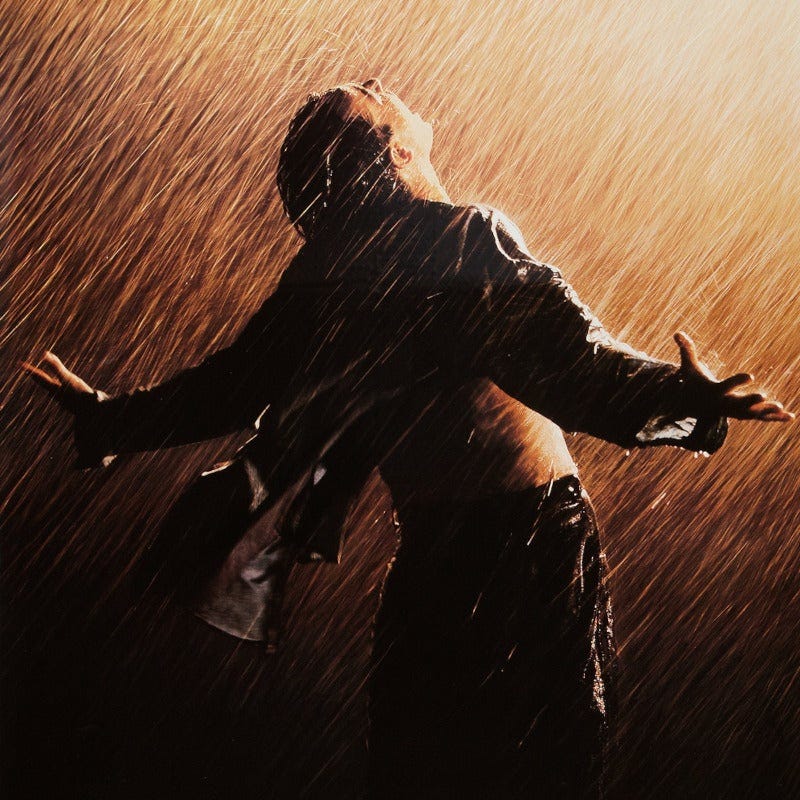
Within the human imagination, there have been many truly great redemption arcs within fiction. These sometimes take the form of a villain turning to the light, a last minute redemptive act, or a sufferer who climbs out of the pit. Each of these can act as a powerful showcase of resilience, both physical and mental, and the unyielding nature of the good.
We all experience redemption in our own lives, whether it is small scale or life-changing. Not every story is dramatic, nor do they all need to be. Even life-changing redemption can feel mundane in the middle of that journey. It only gains its epic scope in retrospect. In the midst of my own suffering, there has been no impressive display of resilience or strength. Nothing that would appear overly dramatic from an outsider observer has occurred, yet the storm roars within.
When we talk about redemption, we often think about some great triumph over difficulty, the indomitable human spirit overcoming the obstacles which lay before it. That’s not really the case, however, because we do not, in fact, redeem ourselves. Redemption is an inherently internal process brought about by external factors. Take for example what is perhaps the single greatest redemption arc in television history, Zuko from Avatar: the Last Airbender.
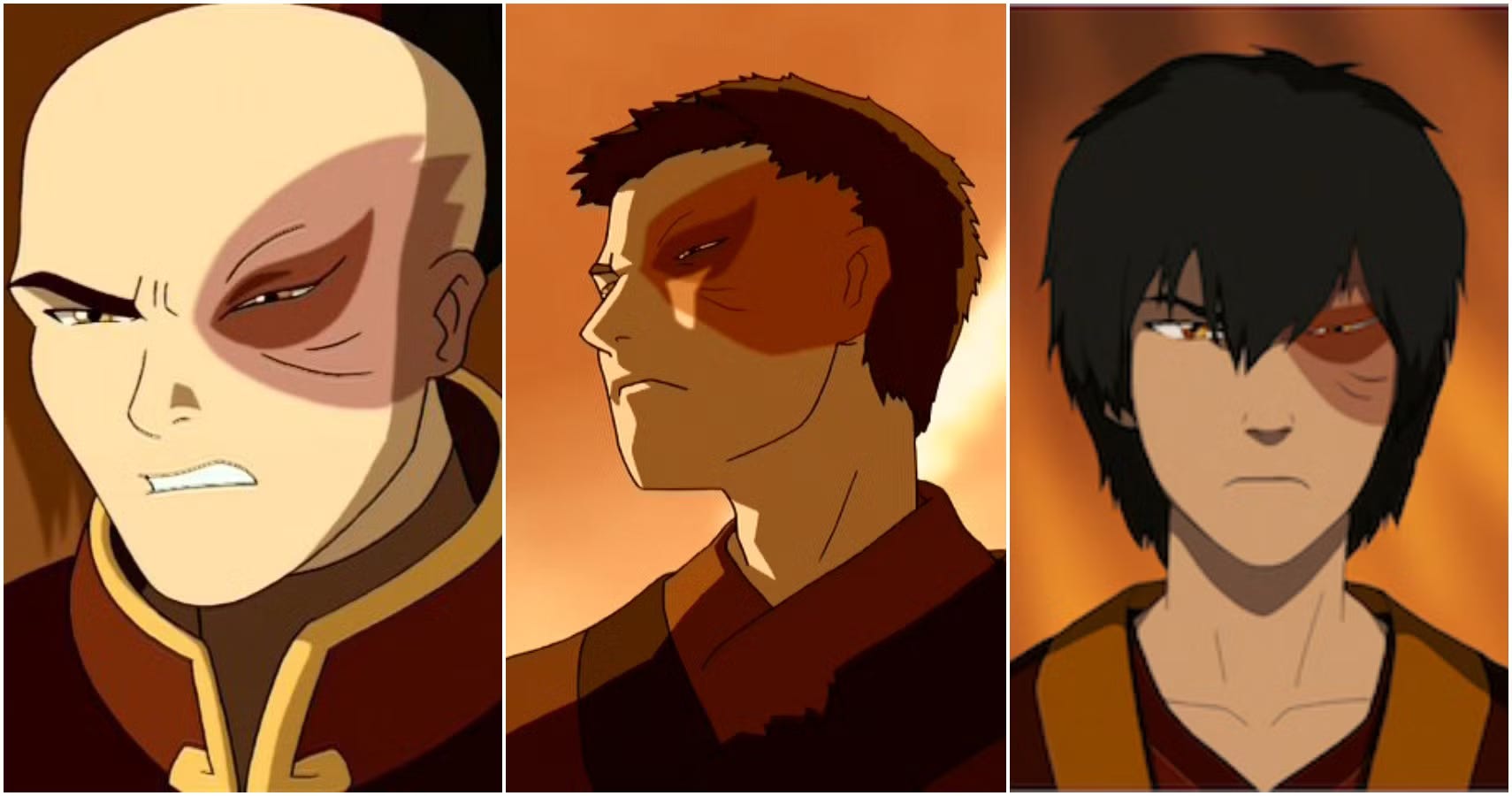
When we first meet Zuko, he is a callous and arrogant young man with a clear sense of destiny set before him. He must capture the avatar because doing so would restore the honor he had lost by disrespecting his father in a war council. Joined by his war-wearied yet joyful uncle, Zuko scours the world for his prey. In the first season (referred to as books), we see his true nature begin to shine through the bravado as he shows resourcefulness, selflessness, and resilience.
Over the course of season two, after he has lost everything, he finds himself empathizing with the struggling citizens of the Earth Kingdom, a nation which his homeland has invaded and torn asunder. He sees the horrors of the war firsthand and embarks upon a journey of self-discovery to determine what his destiny truly is.
At the climax of the second season, Zuko faces a decision to either join his sister in defeating the avatar, or else join the avatar and seek to bring about peace. After his internal conflict had simmered throughout the season, it finally boiled over as he chose the path his father had chosen for him. He chooses his sister and rejoins the effort to conquer the Earth Kingdom. His uncle, Iroh, who had been encouraging Zuko to seek peace, defends the avatar and gives himself over to the Fire Nation in an act of self-sacrifice.
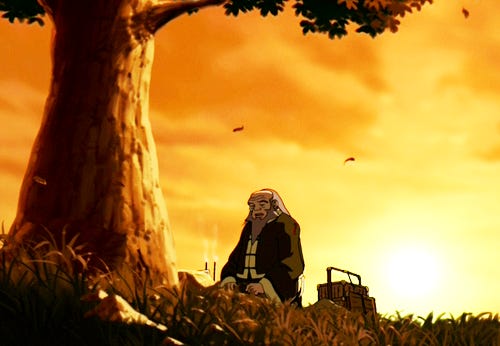
After returning home, Zuko finds his internal conflict even worse than before. He struggles with his past, his decisions, and his sense of duty. This leads him to visit his uncle in prison and learn about the history of his family so he might see the future more clearly. Ultimately, he chooses to turn against his father and to seek out the avatar once more to help bring about peace. He determines that his destiny is to help train the avatar and to lead the Fire Nation out of the war.
Zuko’s journey is long and complex, filled with back-steps and mistakes. His redemption arc provides a thorough character study of a young man who believes he knows what his destiny is, only to later realize he had been blind. Iroh had undergone a similar character arc prior to the start of the series. He had served as a general in the Fire Nation army, believing it was his destiny to capture the Earth Kingdom capital, Ba Sing Se. Only later did he realize that he was meant to reconquer it from the Fire Nation in order to restore its freedom.
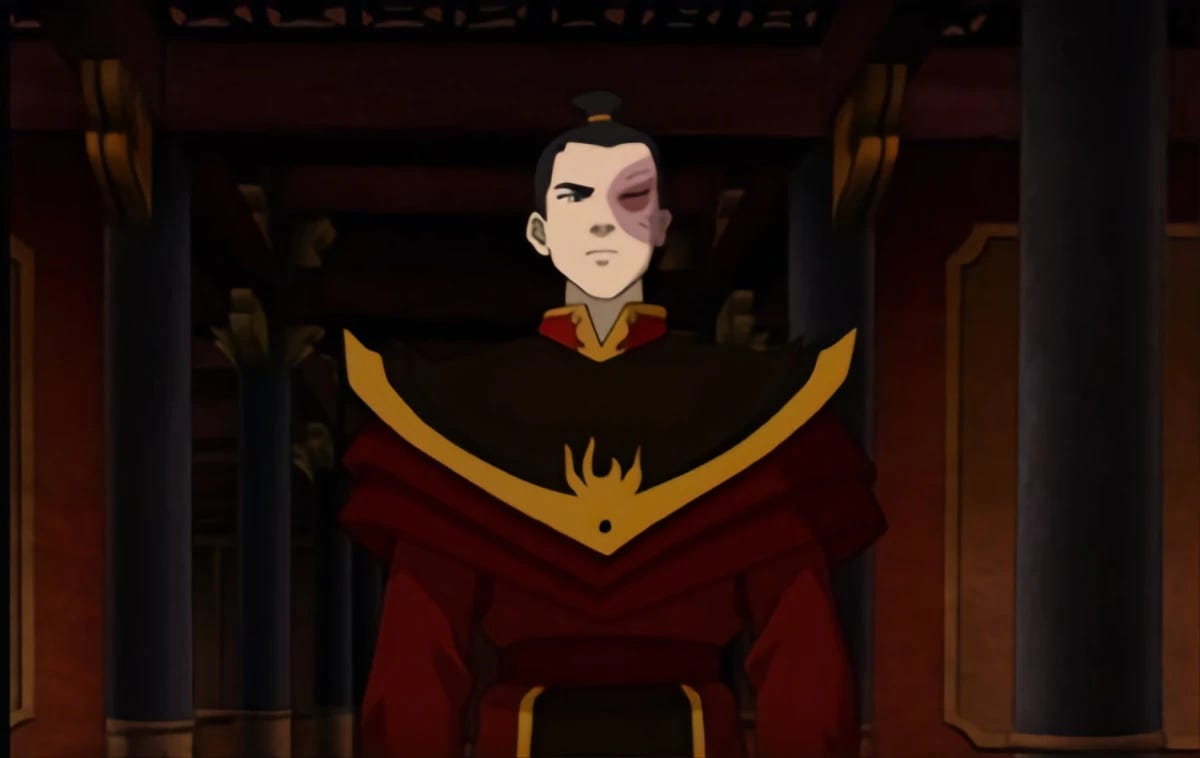
Destiny intertwines with redemption as we struggle with the futures we thought we knew, or we thought were important and inevitable. The light shines out the darkness, however, and clarity comes as we gradually understand what truly matters. We do not redeem ourselves in this process. We are redeemed by others. It is the love and dedication of others that lights the path out of darkness. Zuko did not redeem himself, he was redeemed by his uncle, by the avatar, by all who opened the path of change for him.
The redeemer and the redeemed can never be one and the same. We do not create ourselves, nor do we save ourselves. Redemption comes as we traverse the tightrope held taut by others. Our failings hold us in darkness and we may seek the light, begging for it even, but redemption comes when others commit and join hands with us to pull us through.
All great redemption arcs have the wise friend, teacher, lover, savior, or the saved who shines out the darkness along the path. As we explored in the image of the princess and the knight, they are redeemer for each other as they sacrifice and commit themselves to serving the other. Redemption is the ultimate act of service as it risks oneself for the betterment of another. Perhaps not all redeemers take high risks, but the greatest ones risk everything.
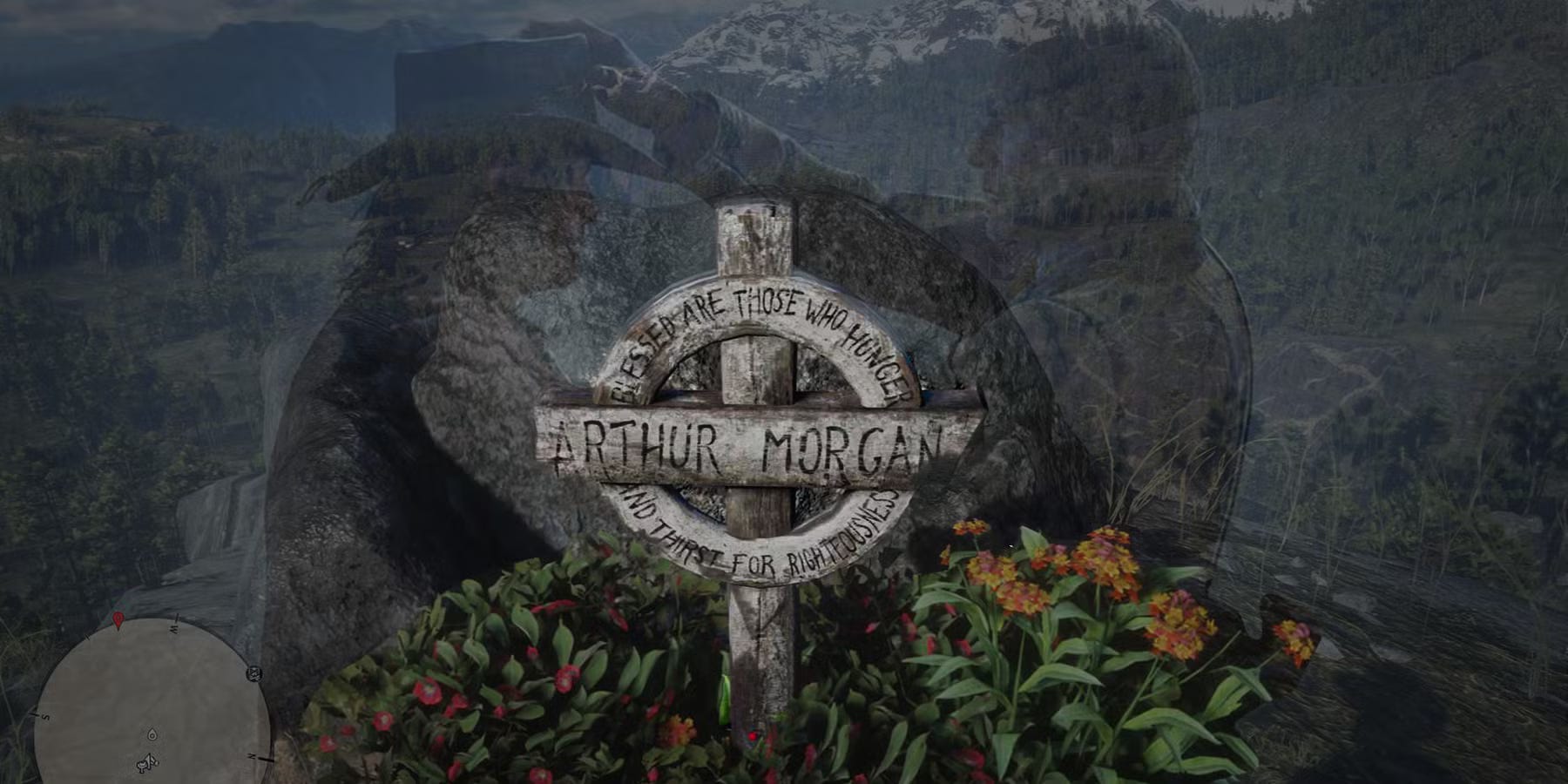
We are redeemed by those who clear the way and shine light upon the path as we journey out of darkness. We may persevere, but that in itself is not redemption. Redemption is the embrace of our brothers and sisters at the end of the road. Their welcome redeems us into the land of sunlight so that we can look once more to the future without shadows on the edge of our vision.