

Short note before getting started: Thank you for reading A Castle in the Clouds. I appreciate you joining me as I rant and ramble about things. If you’ve enjoyed my work, please consider subscribing and sharing it with others. Now onward to the post.
There’s a sense of excitement and wonder than comes when you enter into a well-crafted world for the first time. Your mind races with the possibilities and mysteries that lay ahead, and you become antsy to learn more about the characters and the setting itself. I recall feeling this way with a number of worlds, and it is a feeling that naturally arises when we are introduced to worlds that scratch the wistful longing of the human spirit, the spirit that is dissatisfied with its own world.
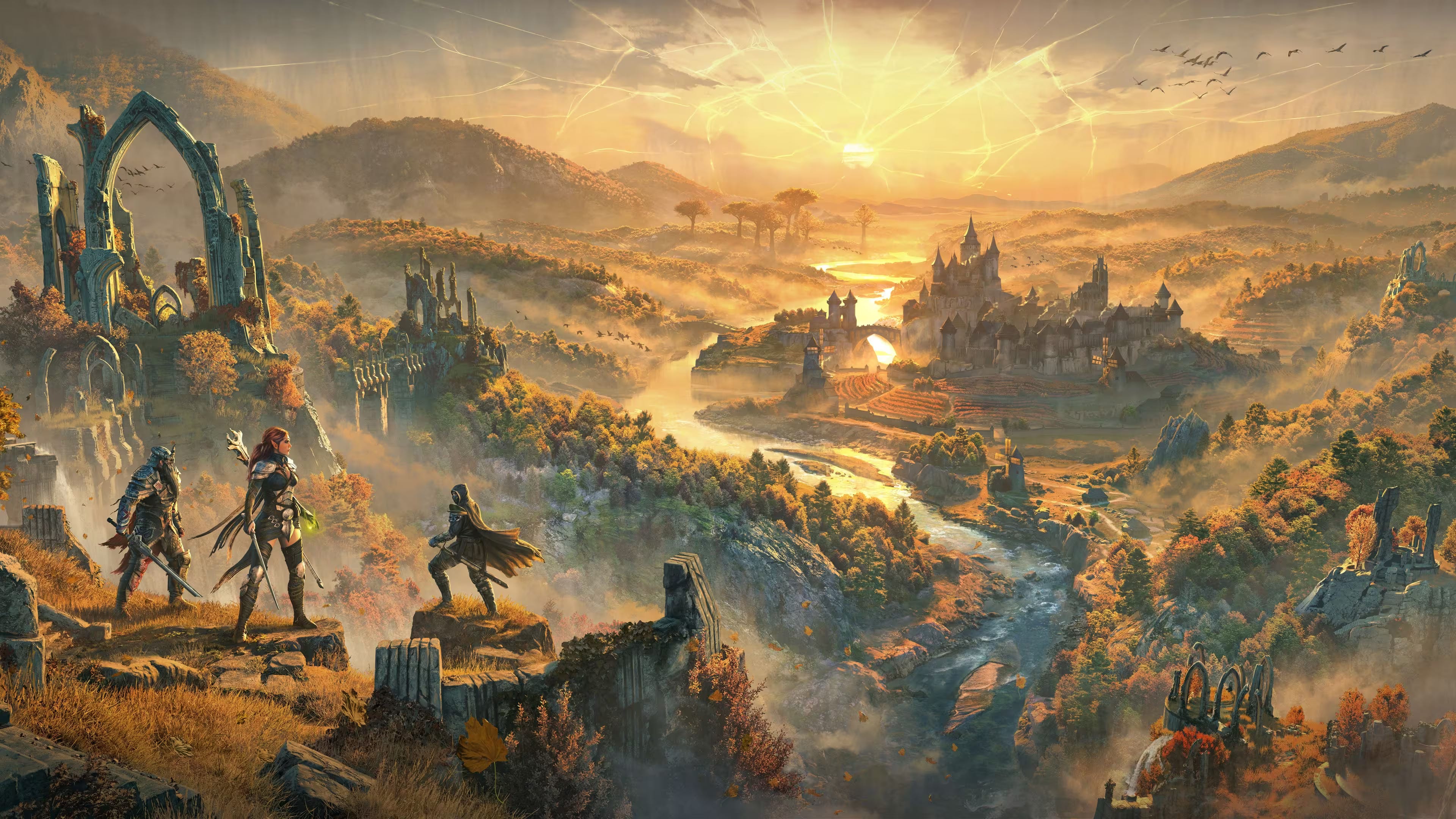
Among the many worlds that have captured me in this way are Avatar: the Last Airbender, Game of Thrones, World of Warcraft, The Elder Scrolls, Dark Souls, and Heroes. Regardless of opinions on the content or enduring quality of these examples, they were all successful at capturing my curiosity at least at the start. I’ll likely explore each of these in greater detail some time in the future.
The key to this sort of excitement is in gradually unveiling the setting through conversation and display. If too much exposition is revealed right away, the mystery never takes hold and the audience has no reason to feel antsy to learn more. Information becomes too free and is not acquired over time through the course of major events and interactions, therefore it feels cheaper and less interesting.
A large amount of exposition is not inherently bad, and is sometimes necessary, but it shouldn’t be dumped at the beginning of a story or all in one place. The beginning should provide a foundation or framework for the audience to use in understanding future revelations. It shouldn’t tear down the curtain right away.
An example of gradual and ambiguous story development, done effectively though imperfectly, is in the first Dark Souls game (the same basic practice continues in the other entries as well). The very basics of the lore are presented in the opening cinematic, allowing the player to see some prominent figures and events from the lore. We are not presented with a clear narrative though. In the end, however, a proper understanding of what happened and what is still happening in the game remains elusive.
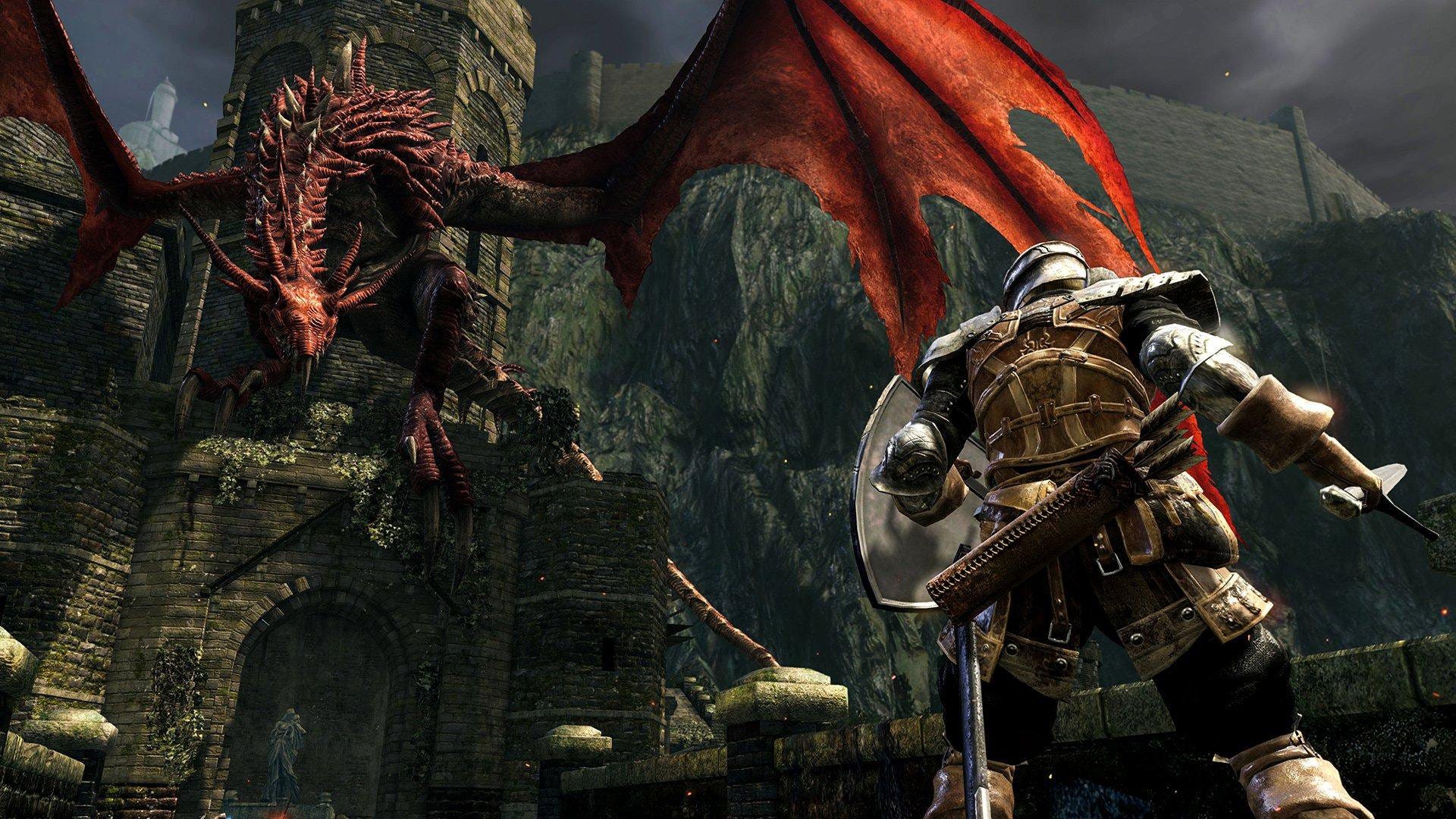
The most exposition you receive up until you’re a third of the way through the game comes from a handful NPCs who provide vague dialogue describing what you need to do, but without explaining why. The why only comes later, and even then it is not presented clearly or objectively. Some people love the ambiguous and shrouded lore of the Souls Trilogy while others hate it. Personally, I think the lore itself is very well done, but it is only available to players who are willing to spend an inordinate amount of time trying to piece together a puzzle without form. I will be discussing the Souls Trilogy in more detail in the future, not focusing on lore but the central themes of each installment.
The main takeaway from this approach that I’m interested in discussing here is that you can present the basics of your story early on while still maintaining mystery. Another example is Game of Thrones. When I first watched it, I knew nothing about the series or the lore. The sheer scale of the setting and the very real presence of a complex past made it immediately intriguing. Legends of white walkers, the Wall, dragons, blood magic, Robert’s Rebellion, the Mad King, the Lord of Light, etc… all hinted at deeper and greater bits of lore.
The early seasons effectively set up these concepts, events, and figures as mysteries to be explored or solved later. In the end, however, the show-runners were incapable of writing to the standard of the early series, and thus botched or neglected the mysteries planted at the beginning. Nonetheless, the first four seasons of the series are masterclass examples of gradual exposition and exploration of deeper lore.
Another infamous downturn, the Game of Thrones of the previous generation of television perhaps, can be found in Lost. It began with strong characters, a mysterious setting, and a fascinating story but amounted to nothing as the writers didn’t actually know what to do once it came time to provide answers. Because of this, Lost falls out of the pantheon of great series and into the bin of promising disappointments.
Mystery is not enough in the end. There have to be answers eventually, whether provided directly or indirectly, objectively or subjectively, and satisfactory ones at that. When building a complex and compelling setting, there needs to be some sort of plan in place and some deeper understanding behind it, even if all the details will never be revealed within the story. Audiences can feel when there’s more behind the curtain, so there must always be more that they don’t see.
It’s important to plan out more than you actually intend to do or use. The sense that there is more that could be said or discovered is crucial to establishing a fascinating setting. It is difficult to tap into that sense if there really isn’t anything more to say about your story or your world beyond what’s already on the paper. If you’re the creator of this setting, you should have the answers, or at least be able to develop them when needed.
Despite the success and merits of the Harry Potter series, there are legitimate issues with the world-building. It seems clear enough that J.K. Rowling didn’t begin developing deeper lore until the fourth book. A few seeds were sewn in the early books, but the late showing of most deep lore leads to consistency issues and a shallow setting at times. The series is obviously an example that you can be successful and still make mistakes in your writing. I think we tend to be more forgiving of children’s and young adult fiction for flaws of this kind, just as we tend (and rightly so) to be more forgiving of younger people for their flaws.
The beauty of world-building is found in reflecting bits of reality, showcasing them in new and exciting ways. When we delve into a fantasy world, a science fiction world, or even a historical setting, we are, in many ways, exploring our own world placed through a filter. As I stated in the Truth in Fiction post, good world-building participates in reality through the universal human condition and the necessary features of the universe.
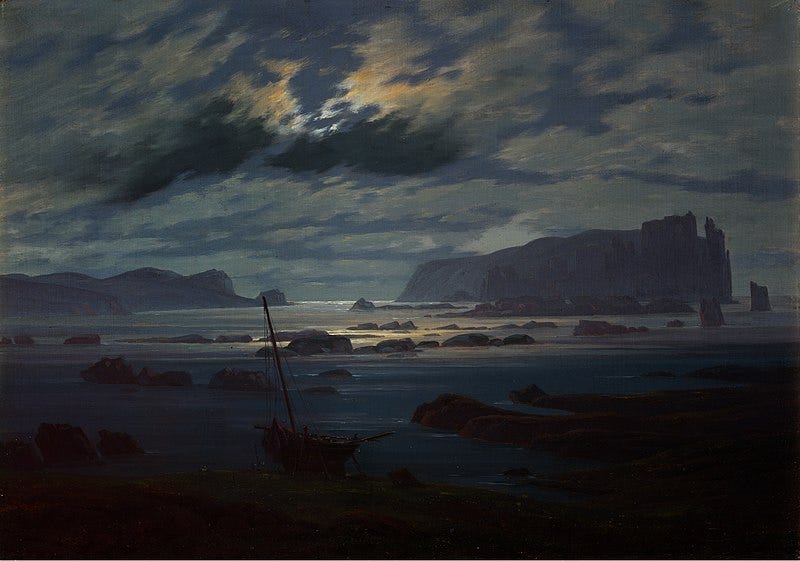
These fictional worlds give us the opportunity to take on the role of explorer and adventurer more directly. Good fiction ought to cause self-reflection, and the effective mystery of a well-crafted setting ensures that the audience will have a wealth of ideas to consider. Even if the reflection is passive, it still occurs, and the things which impact our imaginations may remain mysteries to us for years to come.
When was the last time you entered into a story, no matter the format, and right away became excited? What stood out to you the most? Was your excitement satisfied eventually?