

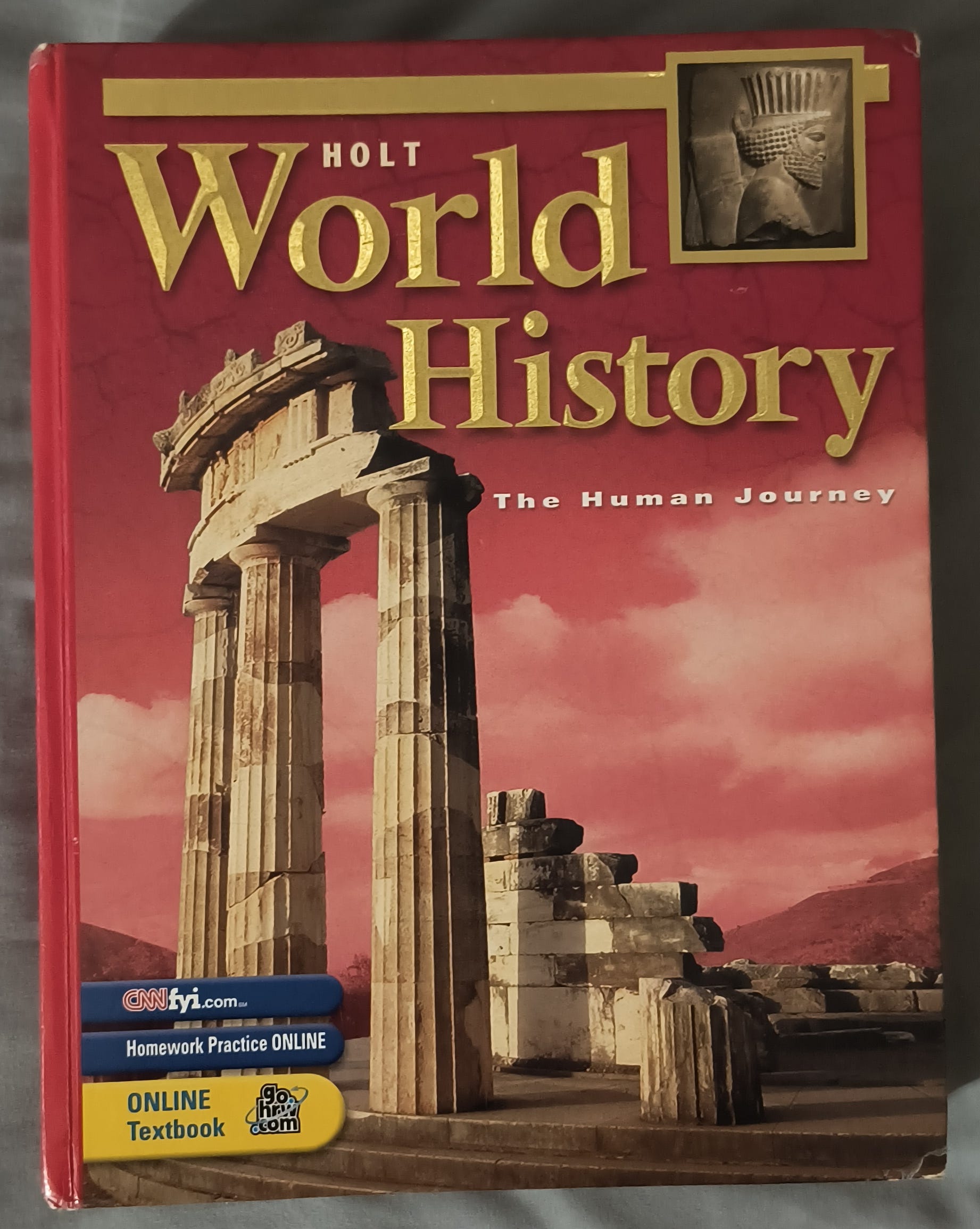
I was the weird kid who took a history textbook with me wherever I went. From an early age, I was fascinated by ancient civilizations and, later on, history in general. It got to the point that I had sections of the textbook memorized. To me, it was an escape from the mundanity of life into the seemingly more adventurous past. A major focus of my early fascination was ancient Egypt. I would draw maps of Egypt from memory and label them just for fun. As I said, weird kid. By the time I entered middle school, history had become my favorite subject, replacing science. Something about history made the world feel bigger and more wondrous.
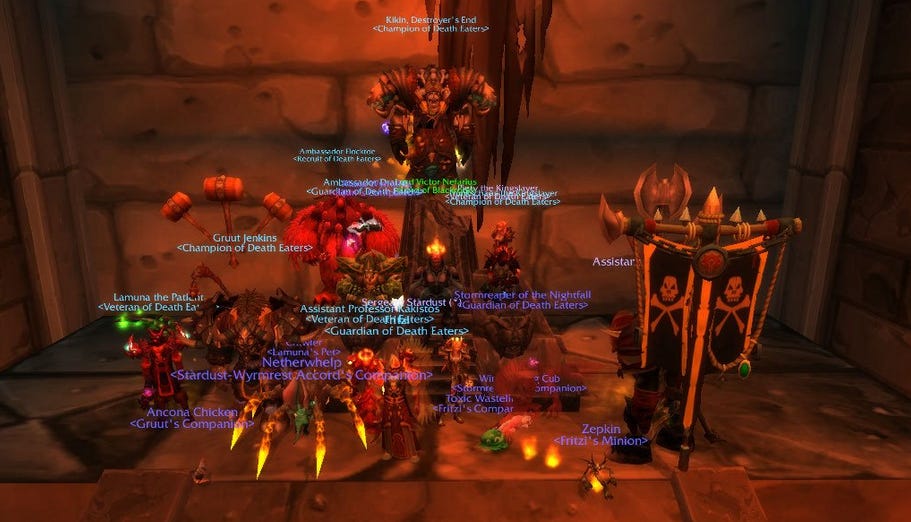
My family moved when I was thirteen and our next-door neighbors, much to my parents’ chagrin, introduced me to World of Warcraft. As a lonely, homeschooled teenager, I dove in headfirst. Perhaps another post in the future can discuss particular experiences on WoW, but for now I just want to address one aspect: the lore. I fell in love with the lore of Azeroth very quickly and spent a significant amount of time reading about it both in-game and online.
The adventure of the game was great as well, as were the friends I met there, but the lore stood out as a special highlight. Eventually, I was able to recite the basic timeline of WoW lore from beginning to end. As you can imagine, no one was really keen on listening to me prattle on about it. My mom humored me once, but her eyes glazed over by the time the Old Gods showed up. It made sense to me why I enjoyed the lore so much though. It was simply the history of a fictional world.
As a result, I eventually decided that it would be a fun experiment to create my own fantasy setting and lore. This became my first foray into world-building. The initial idea was that the lore would belong to a video game, another MMORPG (massively-multiplayer online role-playing game) like WoW. That continued to be the case for a few years as I developed the lore, scrapped it, started over, revisited old ideas, and scrapped them once more.
The early years of creating Roth, the Seventh Realm, were tumultuous and chaotic, mirroring the actual lore itself. Some elements of the setting stuck with me throughout various drafts, but others came and went, occasionally popping back up before being erased again. As with any creative endeavor, sometimes fresh starts are needed. It can be difficult to remove bits of lore than you hold dear, but at times it is for the good of the lore as a whole.
It seemed clear to me that a good quality fantasy world needed to be consistent and have basic explanations for all major assumptions. It needed a clear creation story, whether or not the denizens of the world knew about it accurately. It also needed to have a cosmology that described and explained the unseen celestial powers at work in the universe. These fundamentals became the primary focus of my world-building for years.
Many charts, timelines, and cosmic maps have been developed for Roth over the years. The basic creative power within the lore underwent significant alterations before I finally settled on its current form a few years ago. I’ve always gravitated toward the ‘big-picture’ elements like creation itself, cosmic hierarchies, and the various religious traditions and pantheons present within the setting.
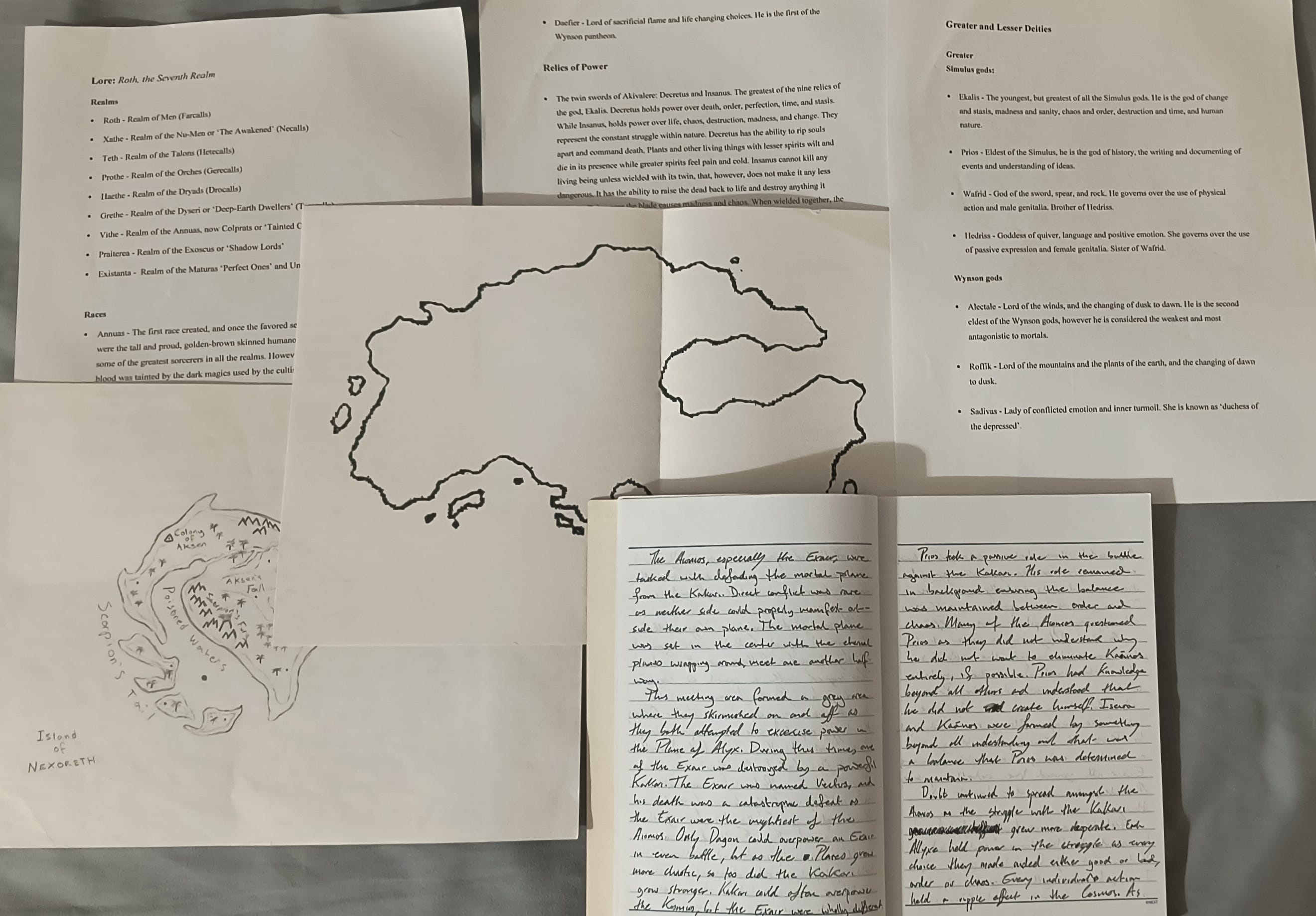
As organized religion is one of the necessary pillars for human civilization, it became my first priority when developing fictional societies. You’ll find that cosmic and spiritual beliefs set the tone for culture and political systems, and they must be understood before we can fully appreciate the societies they belong to. I recall filling several pages with pantheons of deities, connecting them like family units and granting each one a sphere of power. Some were greater than others, and some had powerful weapons or items associated with them. At times, it was more fun to simply plan out bits of deep lore for a fantasy setting than it was to plan out actual stories.
This was still an occasional truth after I had decided to write novels based in Roth. The abstract can sometimes be more enticing than the concrete. As with all things, however, theory must give way to practice eventually. What is history if not the sum total of human narrative? We may learn history as a list of facts about the past, but it is best understood through a human lens rather than through a cold and detached survey of bullet points. A world needs stories for it to come to life. Roth is no different from Earth in that regard.
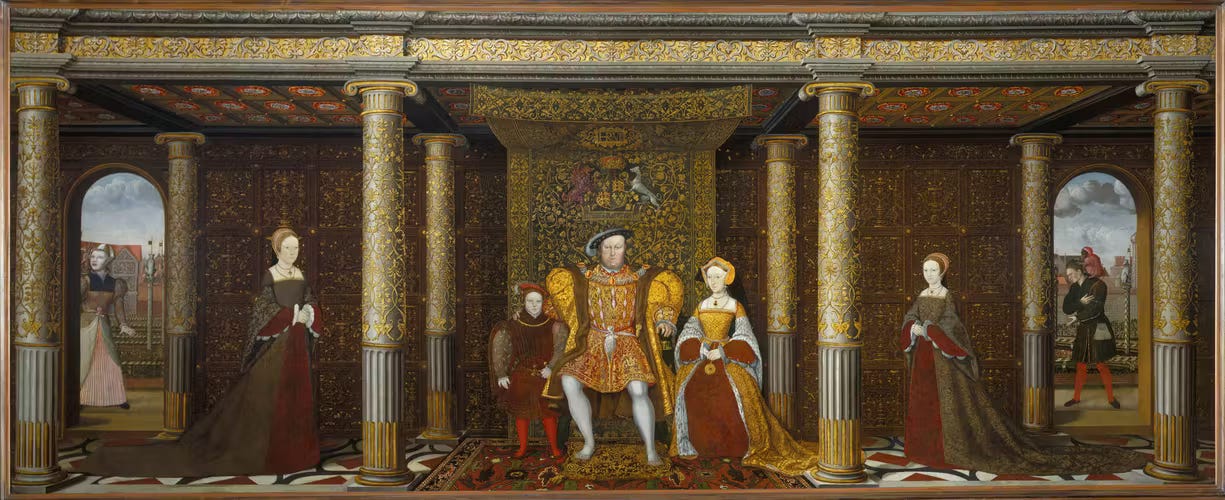
You’ll never hear me—or read me—say that world-building is not worthwhile in its own right. It absolutely is. But it remains incomplete without narrative. A historian could list all the prominent figures and major events of King Henry VIII’s reign alongside relevant dates and locations, but the information one could gather from such a listing would be severely limited.
Names don’t mean very much without persons behind them. Events mean little without context and purpose. History is rendered empty if the story is removed or neglected. It’s for this reason that world-building must also serve an end and not merely be an end in and of itself. World-building is a sort of raw creativity, but eventually it needs to take form.
On a similar note, narratives and characters fall flat without rich worlds and settings. You cannot sacrifice one without in some way damaging the others. Once I developed a concept for a novel, a series of novels in fact, I took to developing characters. An excel spreadsheet exists in a deep dark place on my computer with over fifty characters described and organized within.
These characters have relationships, personal histories, and ambitions within the context of their placement in the setting. They have their own worldviews and ideas about the nature of the world, and their pasts impact the way they settle into the narrative whole. Some character profiles are more detailed than others, naturally, but it is important to bring in texture regardless of the character’s significance.
Even if a person plays a small role in your life, they are still affected by events and ideas beyond your awareness. Even if you, or the audience of a story, never finds out these details, their existence is still key to the person or character in question. This series has been temporarily shelved due to its complexity, but once I have more experience with writing novels, I will revisit it. So just see this post as a very long-winded hype-up for a series that may come to fruition in about 10-15 years. Get excited. I know I am.
Returning to World of Warcraft, I think one of the most impressive features of the game is how much weight there is to the world. The history of the races and cultures are clearly felt and seen whether you are questing, doing dungeons/raids, or just exploring. You may not know all the lore behind the Scarlet Monastery, but you know there’s history there. The same may be said of the Ruins of Lordaeron and the Undercity. The history is felt even before it’s known. That is a major element of what drew me into the game’s story. Not only could I learn about Azeroth’s fictional history, but I could also see the places described in the lore.
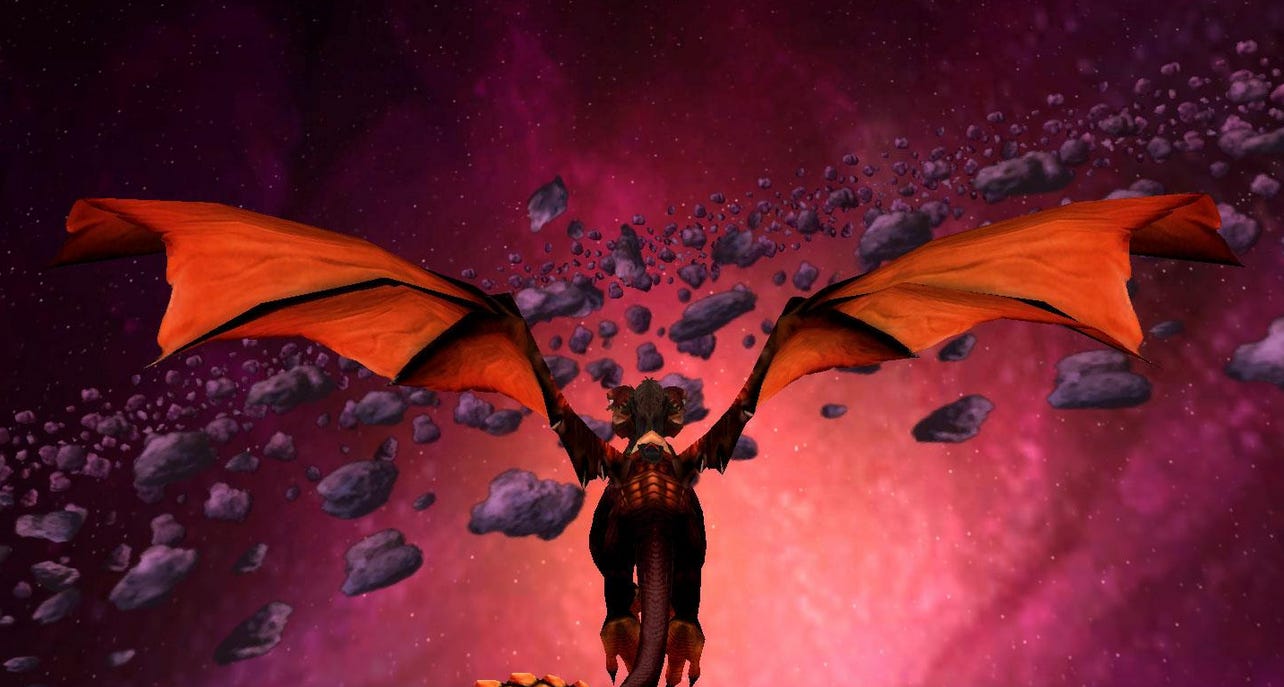
World-building serves a similar purpose in novels or any purely text-based narrative. The visuals may not be direct as in a movie or game, but they are seen and felt nonetheless. A city with ruined walls has a history. A man with a scar wrapping around the side of his left eye has a past. Whether you see these with your eyes or your imagination, it makes little difference. The weight of that history is there, and even if it never plays a major role in the narrative, it provides texture and layers to the story.
Realism is necessary in almost all stories, even and especially in fantasy. It is what allows us to connect with these fictional worlds and characters. Without internal consistency and a hint of reality, we would struggle to establish emotional connections or find the narratives truly meaningful.
This is an issue seen in history lessons in school. History is often taught disconnected from humanity, as a series of dates to be memorized or events to be filtered through a modern lens. History is a story we tell ourselves, it is the story through which we see humanity’s nature, whether triumph and glory or corruption and unspeakable evil. It is humanity’s self-revelation.
The grounding of history in human reality, human stories, makes it compelling for even cynical students. Likewise, world-building serves the purpose of expanding a story beyond the simple background. It brings texture and complexity, and without it there is a loss of depth. Characters are made more impactful and personable when they have pasts and when they live in places with history.
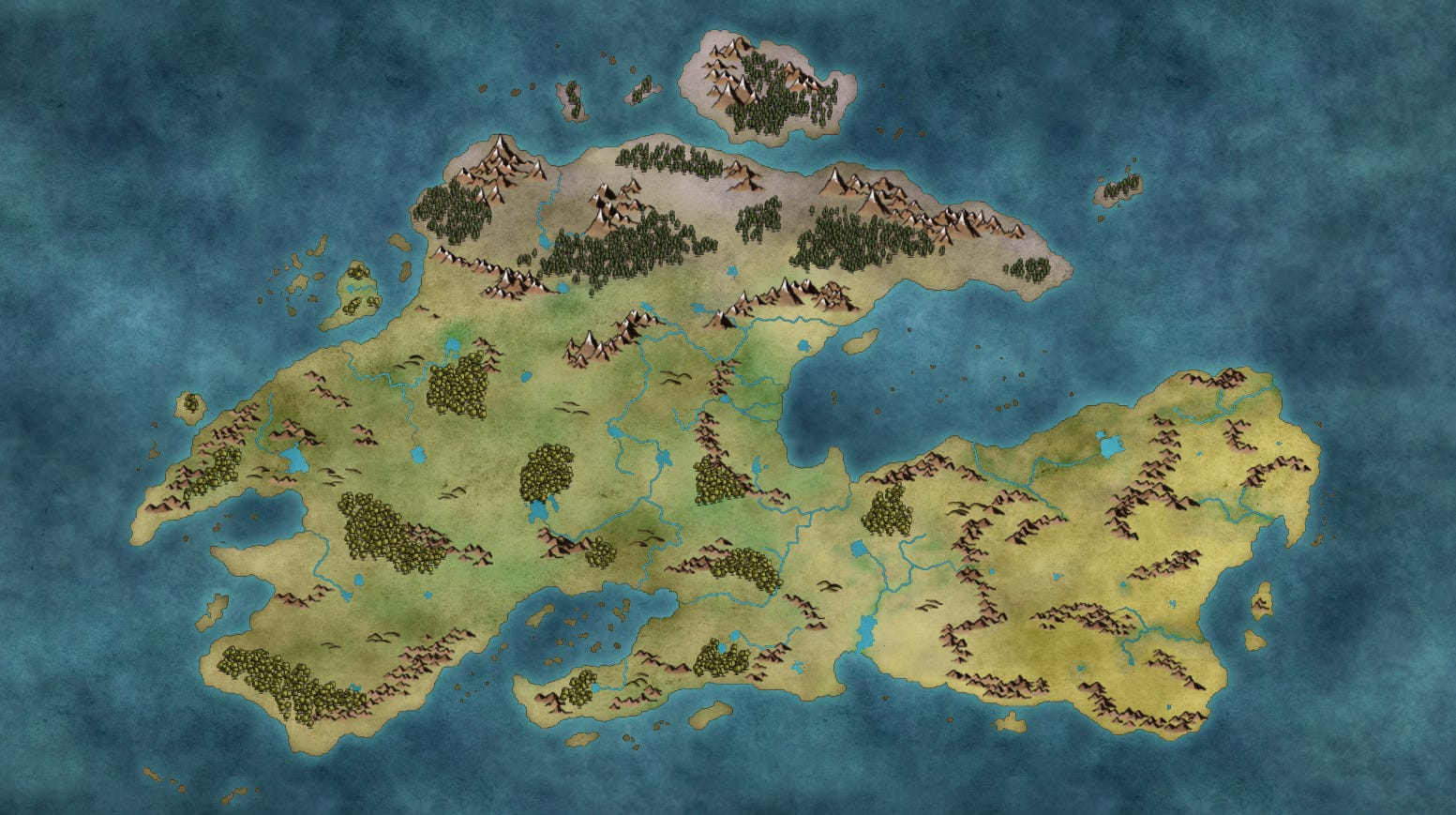
Stories are remembered not only for their characters, but for their worlds. We’ve all seen polls asking which imaginary world you would want to live in if you had the chance. There’s an antsy excitement that comes when you first start to explore a new setting. This is what draws us into fantasy and other works of speculative fiction first, before any characters have been firmly established. It is the greatest strength of speculative fiction. World-building may be done with any genre of story, but it is in its purist form within more imaginative genres. These fantastical stories participate in reality through the grounding of their world-building, and they come alive through interwoven narratives.
Stories are the means by which we share our creations with others. Few people would be interested in reading page after page of world-building notes. The story brings it to life for another’s imagination. As humans, we have an obligation to create, and to share our creations with others. No one truly creates for themselves, but we desire instead for others to share in enjoying the labor of our hands and minds.
Which worlds have most drawn you in? What was the last world in which you lost yourself?