

In contrast to villainous characters, heroes are often seen as mostly uninteresting by audiences. The exception to this is found in anti-heroes, heroes with dark pasts and with conflicted moral compasses. Something about a hero who is morally compromised and struggles to make the right decisions is more intriguing to the public these days. If we were to go back a few decades, we would find more examples of outright heroes with strong senses of virtue and morality, but even then they were not the rule.
Why should they be considered less interesting, even boring? Is it because we find it less realistic to see a character with great virtue fighting for what is right? Of course, figures like that have always existed in reality, but they often don’t look quite the way we’d expect. I suppose part of us assumes that truly virtuous people do not have internal conflicts or complicated histories. They must have been sheltered from an early age, or else their tragic past has not impacted them in a realistic way.
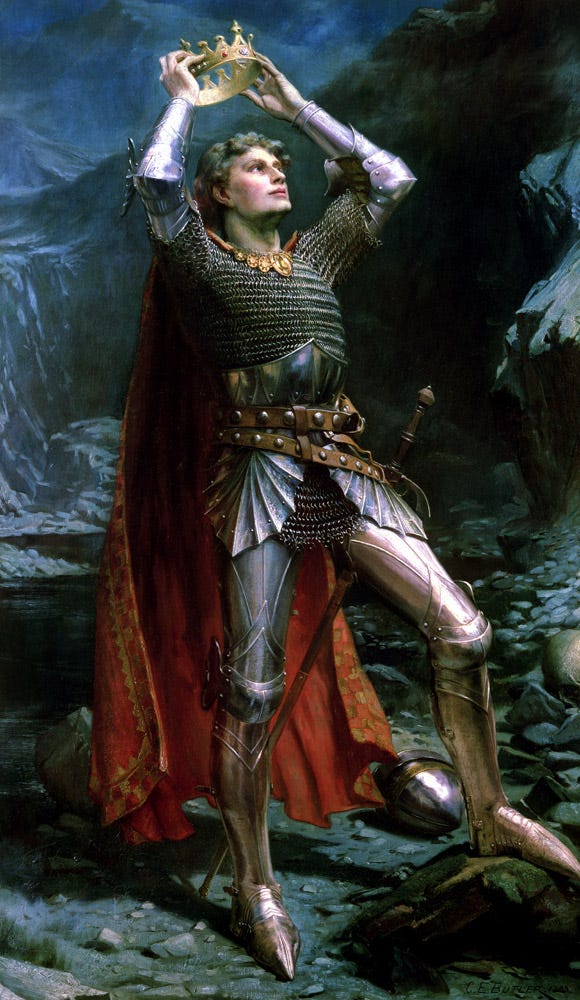
Another way of looking at it is the sheer amount of evil we see across the world in media and news, not only today but down through history. In this way, perhaps evil feels more familiar to us than good. To us, a hero with true virtue and discipline is an alien come to earth as a messiah, not a human who has been forged by trial and pain. There may be an underlying assumption that evil is simply more ‘real’ than good. The ubiquitous nature of cruelty and our dark fascination with it both in fiction and reality seem to testify to this fact. Goodness and virtue are lofty ideals only truly seen in mythologies and fairy-tales. Of course evil must be more real than good.
But why should this be true? Is the shadow more real than the light casting it?
We live in a materialist culture, not merely in the sense that we value too highly material gain but that we often reduce all things to the material by default. If something does not have tangibility, something our senses can experience directly, then it must be unreal or at least less real than the things that do and can. We cannot live according to this assumption, however, and no one would dare try. Virtue is assumed to be real, even if we do not often seek it. We see acts of good and love in charity, kindness, mercy, but these still feel less real because they seem to occupy a minority of our attention or awareness.
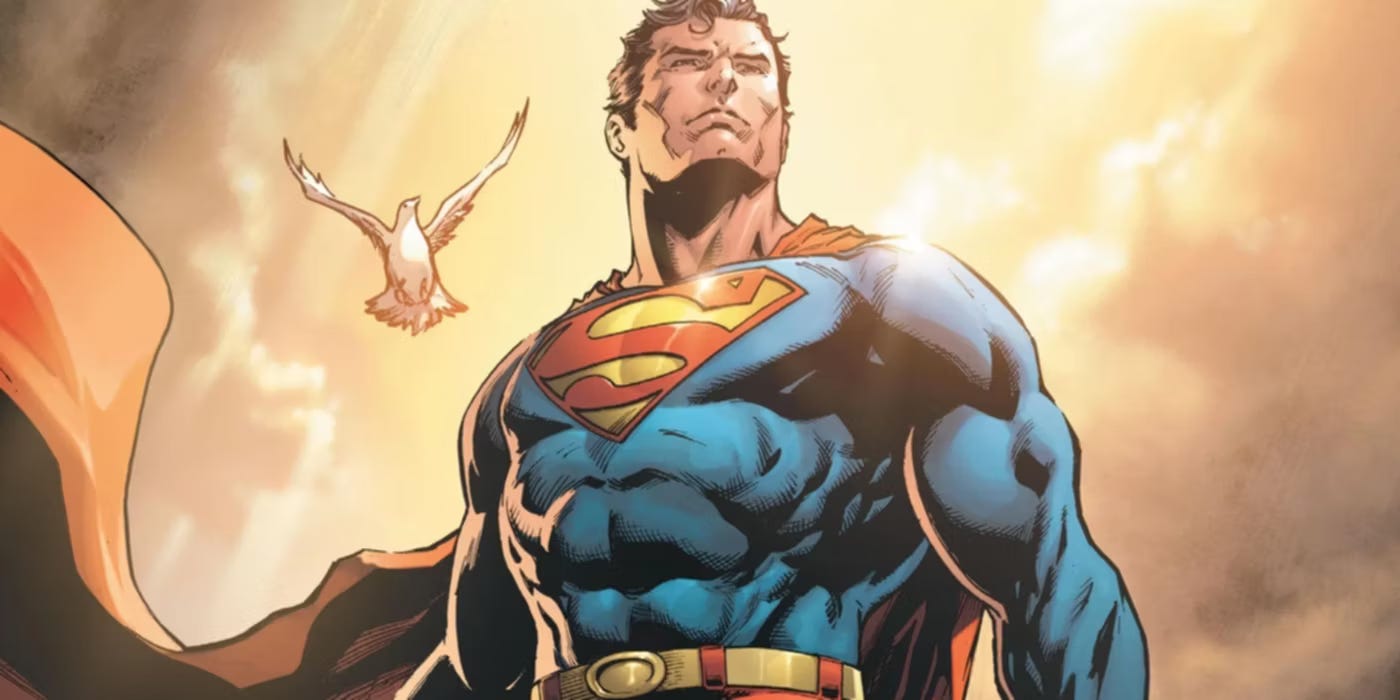
True heroes must then feel somewhat less real than villains, as though their responses to the world around them are less likely or more fantastical. Maybe we can sympathize with the Joker and his ‘one bad day’ more than Superman and his perfectionist ideals. Maybe the cruelty of the big city streets feels more real than the peace of life on a Kansas farm.
In reality, we have always found good to be more interesting than evil in purely conceptual terms. Great philosophers have written countless more tomes and treatises on virtue and goodness than they have on wickedness and evil. It has always seemed clear that evil is less real than the good.
If you were to commit to learning about the great virtues and heroic acts of past figures or about those atrocities which scar the human past, you would quickly realize that the men and women behind such atrocities were seldom very interesting or worthy of study. Of course, we all know the great evils of history, we know their names and many of their deeds, but when we are confronted by a truly good person in history, there is a clear difference.
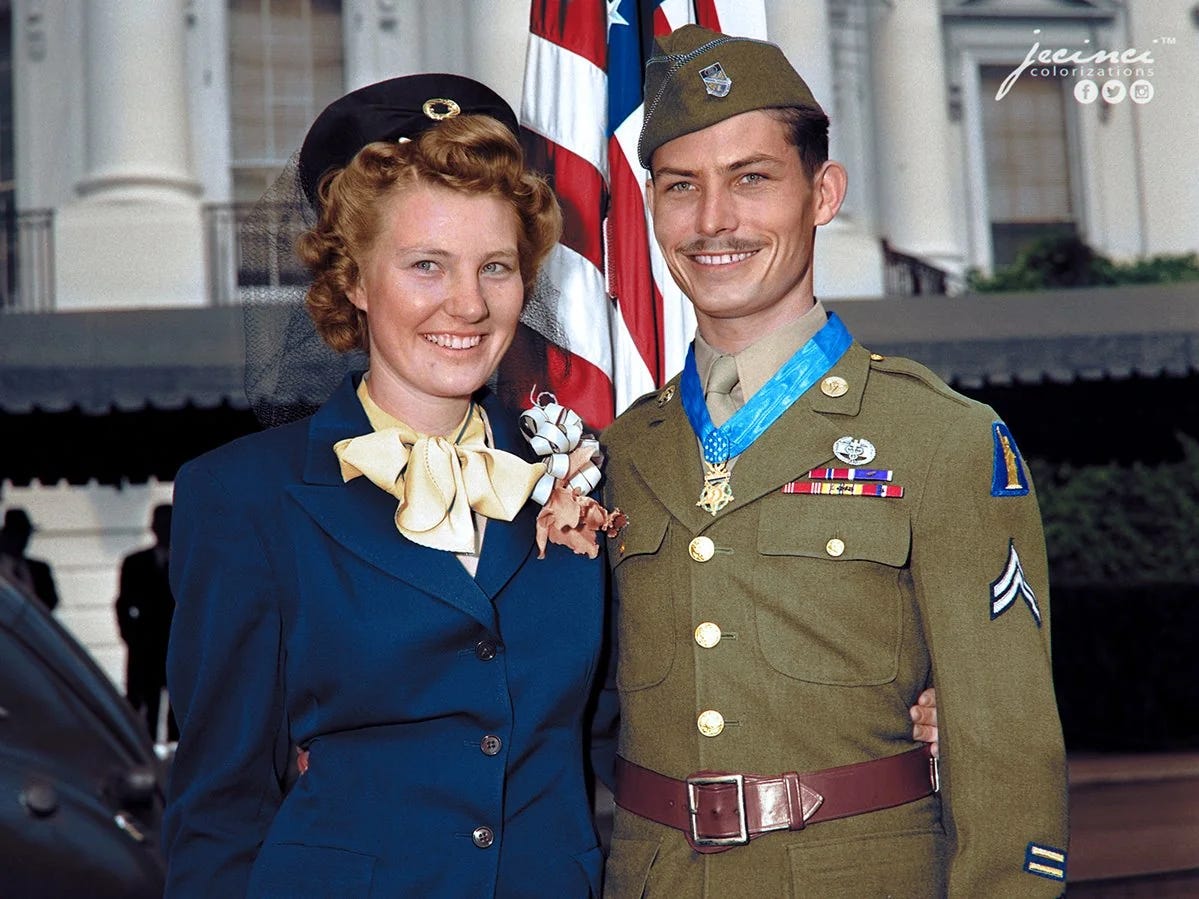
Consider the story of Private Desmond Doss from the Pacific theatre of the Second World War. He was a man of great faith and virtue, whether he considered those factors in the moment or not, who saved dozens of lives at the Battle of Okinawa. The person who would choose to study more closely the banal ambitions of Nazi leadership over the life that led Private Doss to heroism is someone who ought to self-reflect more intently.
We are more inspired by acts of heroism than we are horrified by acts of evil, but we pay them less attention and we are presented with them less often. A good man’s life story is more interesting than a bad man’s, though one might think the opposite. A bad man may live counter to social mores and norms, but ultimately he is giving into his weaker and more primal drives. A good man lives counter to the widespread darkness he sees around him, and his toil is made greater, his light is made brighter, by the darkness he overcomes.
Some of the great and classic heroes of the modern era remain pure of heart, despite our fascination with anti-heroes. Examples are Frodo, Sam, and Aragorn from The Lord of the Rings, Harry Potter, Aang from Avatar: the Last Airbender, Superman, and Captain America.
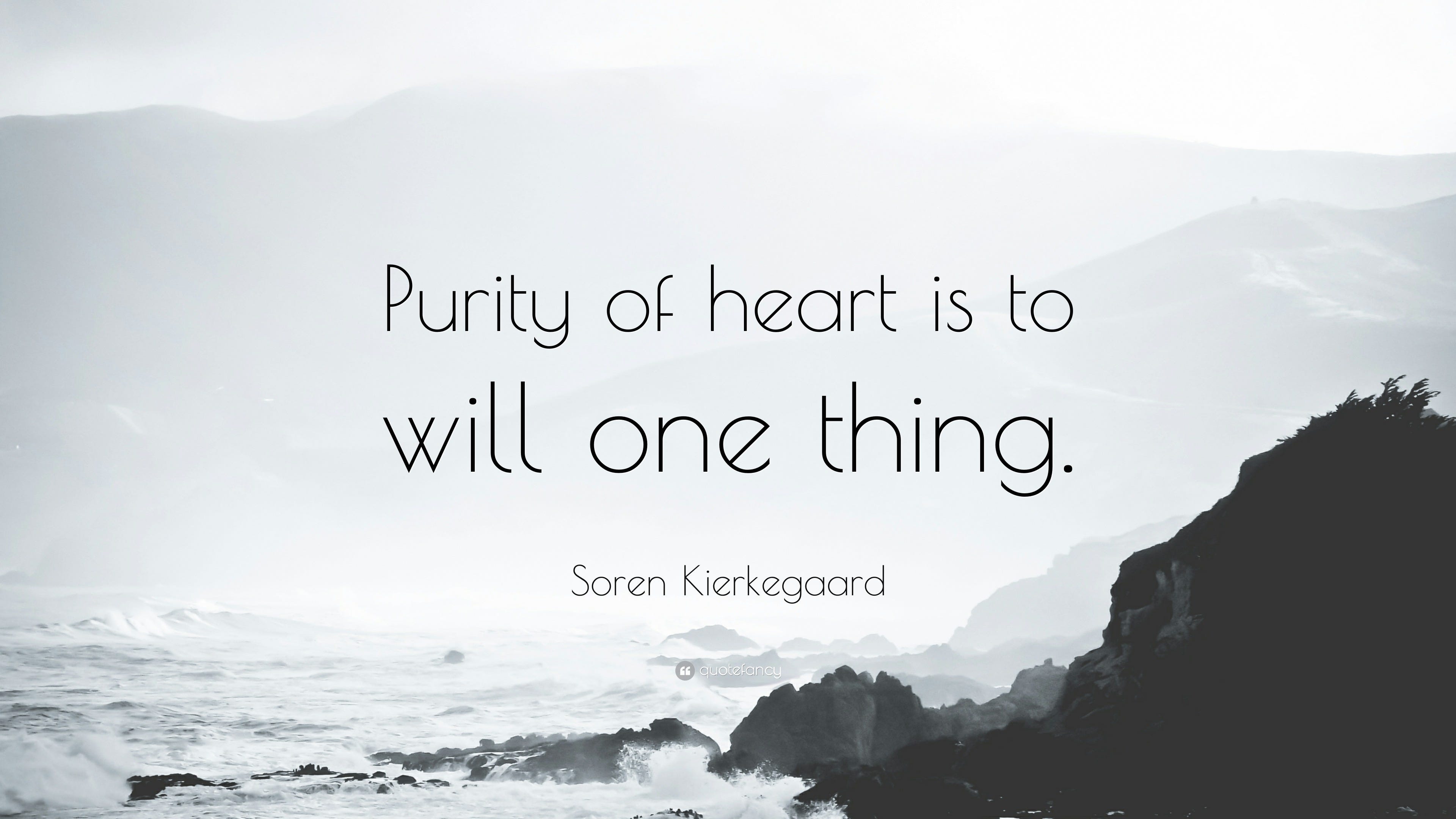
Purity of heart does not necessarily mean perfection or being unharmed by the evils of the world. It simply means that these characters pursue the good amidst great evils, good for its own sake because it’s the right thing to do. Love is best understood as willing the good of the other, even at your own expense. Purity of heart is to love and to sacrifice for others, even when it hurts. To persevere in the face of suffering because of what’s true and right.
Some of these characters may feel more mythical and unattainable than others, but none of them fall outside the bounds of human virtue. Men like Desmond Doss are proof of that. Perhaps we have grown content with holding ourselves to a lower standard, and anti-heroes allow us to feel that we might still be good even if we allow the world to bend us. True goodness may be ultimately far beyond our abilities, but there is value in the ascent. For now, we simply grasp at shadows, but the pursuit of virtue and perfection is more fulfilling and meaningful than choosing to remain in the dark.
Very well said! At one point I probably subscribed to the idea a hero with ‘normal’ morality and virtues is boring. But looking at the state of world and most people today, someone like that has become an anomaly, and thus interesting to read or watch nowadays, especially if they find opposition even from the side they are fighting for.