

It’s a basic human drive to tell stories and to hear them from others. We have a long and proud tradition of storytelling down through history, with great works of literature having deep influence on the development of cultures and societies. Something deep in our minds yearns for the escapism and adventure of life condensed to only the most exciting bits. There is no shame in using stories for escapism, but that is a topic that deserves its own discussion. For now, we’ll focus on the value and impact of stories themselves, specifically in my own developmental years to provide some concrete examples.
One of the biggest parts of childhood is creating stories to play out with toys, whether by ourselves or with siblings and friends. I recall spending time during class in primary school thinking about what game I’d like to play once I got home that day. I’d consider the characters I had assigned to various toys and then construct a story for them, usually based around something that had recently inspired me.
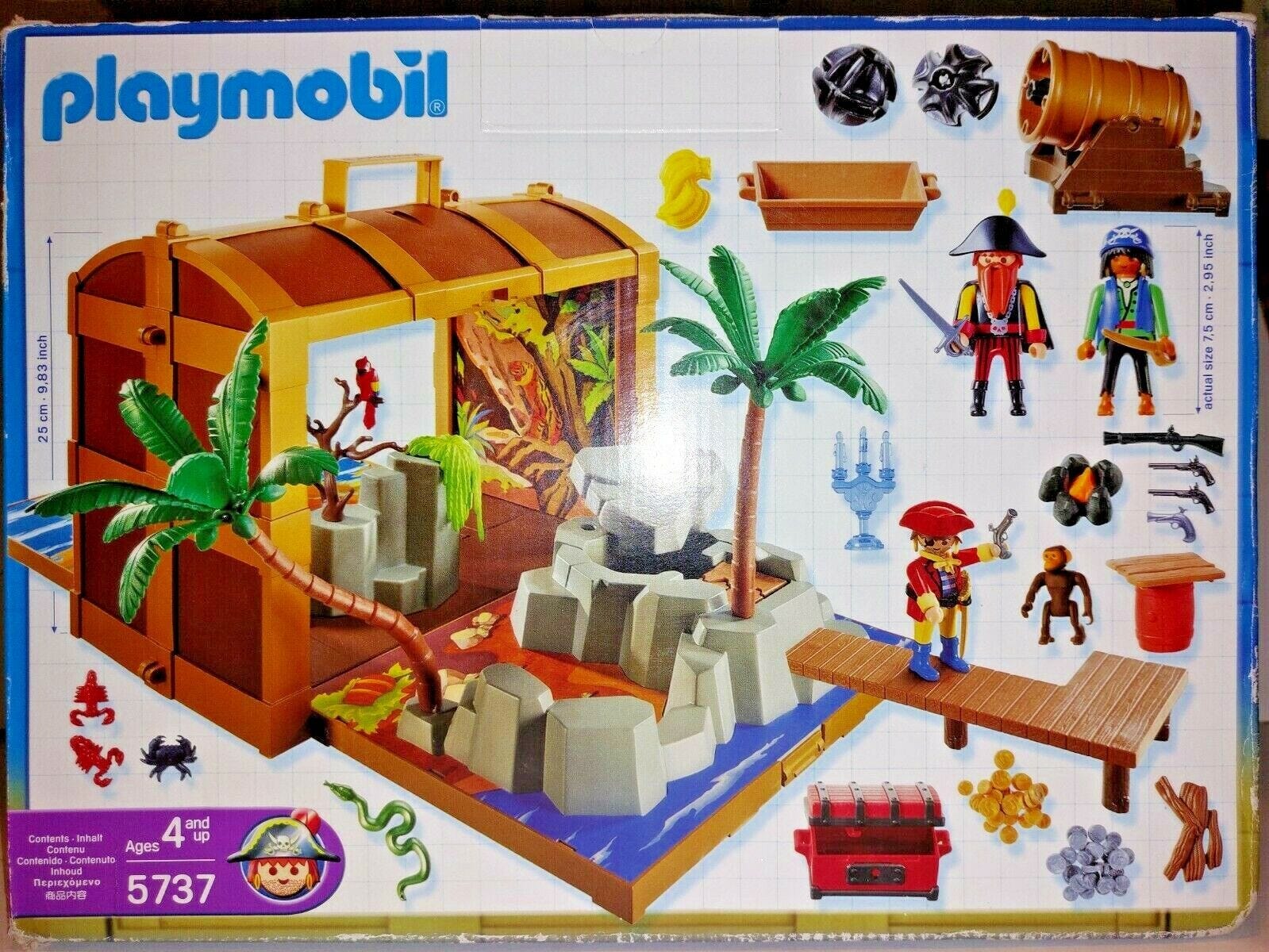
A particular episode of that was with a pirate chest toy set where the treasure chest opened to reveal an island landscape for the pirates to explore. There was one particular day I recall during third grade where I sat in class and couldn’t help but to feel excited about going home and playing with that set again. I spent the school day conjuring up stories and characters rather than pay attention to my teachers. Those daydreams have remained in my memory far longer than that day’s lessons.
Admittedly, I was a lonely child. I never succeeded in making friends outside the classroom and as a result spent most of my free time alone. My sister is some years older, so our days of playing together ended when I was still rather young. This led to me developing complex story-lines for toy soldiers or Lego knights to embark upon where they’d inevitably be accosted by dragons, dinosaurs, giant sharks, wormholes, and the prospect of falling to their doom from the top of the staircase.
There were days when these games became so involved that the entire downstairs was affected. At times, I even forgot about minor story-lines I’d devised. I’d get so invested in the characters on the coffee table in the living room that I would neglect the ones making their way along the front hallway or adventuring across the kitchen counters.
As I grew older and started to leave behind playing with toys, my love of creating stories remained as strong as ever. I think that this is natural for children so long as their imaginations are encouraged, or, at the very least, not discouraged. For years I would carry around an old blue notebook filled with summaries of story ideas. I had it in my head that I would be a movie director in the future, bringing these ideas to life in film. My mindset was that I didn’t have the patience to write novels, and making movies seemed much easier in my ten year old mind. It wasn’t until I was properly in my teen years that this illusion was dispelled and I learned to love writing in its own right.
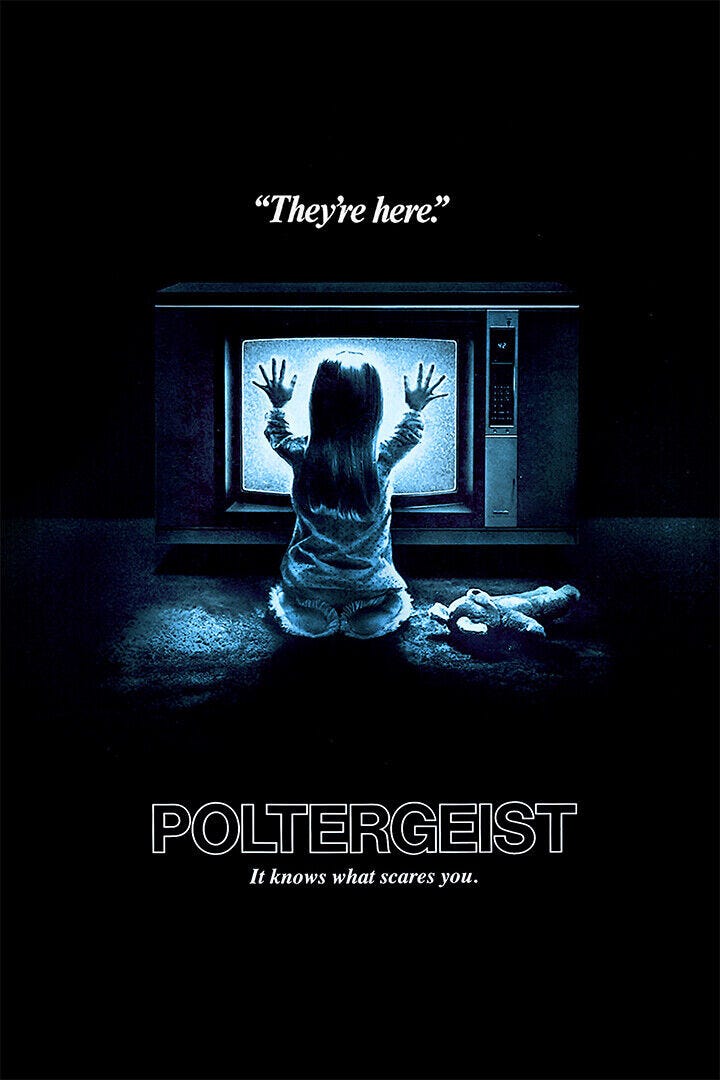
I was particularly fascinated by the horror genre because it was taboo and disallowed when I was young. My only real experience watching horror movies came in the form of sneaking to watch a couple scenes of Poltergeist (1982) and whatever low quality slasher film my sister and her friends happened to be watching at night. Something about the experience of watching a movie intended to frighten the audience stuck with me. I would pass the time by looking up movies on IMDB and reading their synopses.
I only got snap shots at the stories, but this entertained me for hours as a child. I imagined details to fill in the blanks, basically making the movies in my head because I knew I wouldn’t be allowed to watch them for years. I even developed an idea for a movie series in the same vein as overlong slasher series. This was before I understood the severe drop in quality that these series experienced. From summaries online, they seemed like epic adventures, not the poorly planned money grabs they actually were.
Experiences like this deeply affected the way I think about stories today. There are a number of cliches, tropes, and motifs I could list out as having impacted my own enjoyment of stories. But not all stories are created equal, even the influential ones can fall short. I recall finally watching some of the movies I had read about, such as Friday the 13th, and being sorely disappointed.
The stories I had conjured up in my head just from brief summaries on IMDB had been more interesting to me. This disappointment reinvigorated my desire to tell stories and to do it in a way that lingered with people. I held fast to my tattered blue notebook and the stories inside until eventually they were replaced by newer and more mature ideas. I have no idea where that notebook went, but I can safely say that none of the story ideas in it should reach the light of day.
Despite being unimpressive in retrospect, the significance of those ideas and that notebook in my developmental years cannot be overstated. The same concepts and story tropes that I felt most drawn to then are still attractive to me now with many more years of experience. I think this tends to be true for most people, even if we don’t take time to think about it.
There are days when I’ll scratch at the back of my mind enough and unlock some core memory of a movie, series, book, etc.… and understand where a certain fascination of mine originated. Our childhood playtime and the stories we latch onto in those years can have a profound and lasting impact on our psychologies as adults. These are worth exploring and enjoying, feeling the joyful sting of nostalgia as we reminisce on years of innocence.

Stories hold no less a grip on us in adulthood, but we oftentimes take them for granted rather than fully appreciate them for what they are. For many people, stories—no matter their form—are simply a means of entertainment and are not meaningful in and of themselves. This is a tragic mindset and one we should resist. Our lives are built around stories, and there is a clear desire to nourish the imagination and to find meaning in the world around us.
Imagination becomes stunted when only used for the consumption of entertainment, during which time it is simply a passive spectator rather than an active participant. There are times when simple entertainment might be preferable, such as after a long day, but it shouldn’t be the rule. Stories don’t cease to surround or affect us simply because we grow older. There is great value to be found in truly appreciating the stories around us rather than merely being entertained by them. Much difficulty is added to the world by adults neglecting their imaginations and sense of wonder.

Go and rewatch a movie or reread a book from your childhood. Children’s stories have an uncanny ability to ignite imagination no matter the audience. They tap into a deep and forgotten part of our minds. C.S. Lewis, in his essay “On Three Ways of Writing for Children,” said, “I am almost inclined to set it up as a canon that a children’s story which is enjoyed only by children is a bad children’s story.”
Children’s fiction is a great way to reconnect with the wonderment we had as children, something often lost in the challenges of maturity. If the sense of adventure and yearning remain unsatisfied in us through adulthood, then we are missing a crucial aspect of life. Imagination lies at the foundation of our consciousness, and to neglect it would be to neglect a piece of our humanity.
What childhood stories or ideas impacted you the most?